What Shabbat Taught Me About the Seven Kinds of Rest
Aug 13, 2026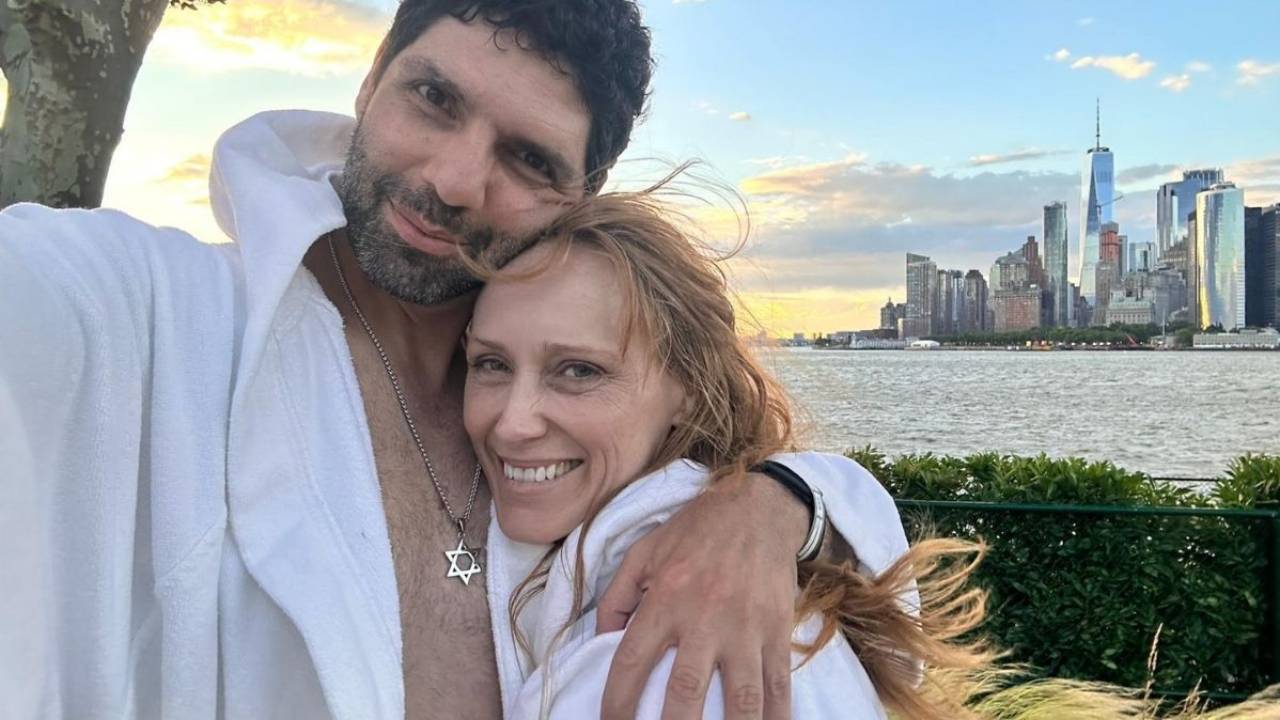
One of the many beautiful traditions I've learned to appreciate from my Jewish partner is Shabbat.
Every week, from Friday sundown to Saturday night, Jews are asked to stop all work. It begins by lighting a candle at a table surrounded by loved ones and, just as often, with people who'd otherwise be alone that night. There's a teaching in the Jewish tradition that no one should spend Shabbat by themselves, so the table is set for whoever needs a seat. Bread is broken, wine is passed around, and a period of shared relaxation begins.
Shabbat is observed to varying degrees of strictness, but in our house, Shabbat simply means unplugging from work, usually unplugging from the phone too, and doing something fun together instead. Some weeks that's a nap. Most weeks it's time in nature, or a museum, or wandering somewhere with no agenda. We almost always support a restaurant or two, so there's no cooking and no cleaning either. It's also become a kind of “house-keeping day” for my body: I move slower on purpose, get in a round of self-myofascial release, and spend real, unhurried time on breathwork, which is how I get my body ready for another week of high-intensity everything.
I didn't take to it right away.
My first Shabbats were spent doing math in my head: what I wasn't finishing, what would be waiting for me Sunday, whether one day "off" was something I could actually afford. I'd spent enough years coaching clients running on fumes to know what chronic exhaustion actually costs, but I still resisted stopping.
What changed my mind wasn't a sermon. It was noticing, week after week, that my best ideas kept showing up soon after Shabbat ended, not during the six days I'd spent grinding on the problem. And because I was more refreshed, I discovered I get roughly the same amount of work done by the end of the week either way.....but when I observe Shabbat, I also get a day that's rich with sweet memories.
These are the days I will remember on my death-bed, not the blur of workdays.
An Ancient Prescription
National Relaxation Day lands on August 15th, and it's a nice nudge. But one day a year is never going to undo a chronic rest deficit, and I'm sure the sages who designed Shabbat knew this too.
The command in Exodus is specific in a way that still surprises me: rest applies to you, and to your children, and to your servants, and to your animals, and to the stranger within your gates. Not just the people who could afford to stop working.
Everyone.
It's one of the earliest labor protections on record, built directly into a weekly religious practice, because the people who wrote it understood something we're still relearning: rest that only some people get to take isn't really rest, it's a privilege. And since rest is essential to our health across every metric, it should be a part of everyone's lived experience.
A study published in BMC Public Health this past August found that people who keep a regular weekly day of rest - religious or not - sleep better, feel less fatigued, and report real gains in mental health. A nervous system that gets a real, scheduled signal to stop can finally shift out of fight-or-flight and into the repair mode I've written about before in What Kind of Tired Are You?.
The ancients didn't have that language, but they built the mechanism anyway, and then made it a weekly habit instead of leaving rest up to whoever remembered to take it that week.
The Seven Kinds of Rest, Built Into One Day
I've written before about Dr. Saundra Dalton-Smith's research on the seven types of rest we actually need, and the more Shabbats I observe, the more I notice all seven, prescribed into a single day:
- Physical rest. No cooking, no cleaning, sometimes a nap. The body gets an actual break, not just a change of scenery.
- Mental rest. No work decisions, no inbox. The part of your brain that's been making calls all week finally gets to stop.
- Sensory rest. A deliberate attempt to be less distracted. The phone goes away. No pings, no scrolling, no algorithms competing for your attention.
- Emotional rest.Time for self-inquiry that six busy days never leave space for. Questions about whether your week, your relationships, your current life trajectory line up with what you want. Those don't surface during the grind. They surface in the stillness.
- Social rest. Real connection instead of transactional contact, and a seat kept open for anyone who'd otherwise be alone.
- Creative rest. A museum, a walk, creating art or writing. Or simply absorbing beauty for its own sake.
- Spiritual rest. The candle, the ritual, the reminder that you're part of something bigger than this week's to-do list.
It's a weekly system, built by people who'd clearly noticed what happens to a person who never gets any of the above, and who cared enough to write the fix into their culture's actual operating instructions.
You Don't Need a Religion to Take a Shabbat
I'm not Jewish, and I'm not suggesting you become observant. But I've come to think Shabbat is one of the smartest pieces of preventive medicine anyone's ever designed, and you don't need the theology to borrow the structure.
Pick a day. Any day. Unplug from work and, if you can stand it, from your phone. Do things that replenish you instead of deplete you. Let someone else cook or do it ahead of time. Sit with people who don't need anything from you but simple connection. Love up your body with massage, breathwork, movement, or rest. Notice, the way I finally did, that the ideas and energy you were so afraid of losing tend to show up right on the other side of the rest you were avoiding.
This National Relaxation Day, don't just relax for a day. Consider how you can make it a weekly event too.
Related Articles
- Exodus 20:8–11 and Deuteronomy 5:12–15, the biblical Sabbath command extending rest to servants, animals, and strangers, not just the head of household
- Neuroscience research finds a great reason to observe Shabbat, Ynet, on the August 2025 BMC Public Health study linking weekly rest to better sleep and mental health
- Why I've Added HeartMath As a Tool in Whole-System Healing
- Breathe Into Gratitude: A Potent Relaxer and Mood Booster
- A Healing Sequence to Make Your Recovery Faster and Easier
- How Sleep Quality Predicts Longevity - My Personal Data
- The Real Work Begins in the Privacy of Your Own Heart: A Case for Self-Compassion Before Self-Improvement
Author