Start With the Bigger Pattern
If you came through the back-pain section of the quiz, you’ve already explored some of these connections.
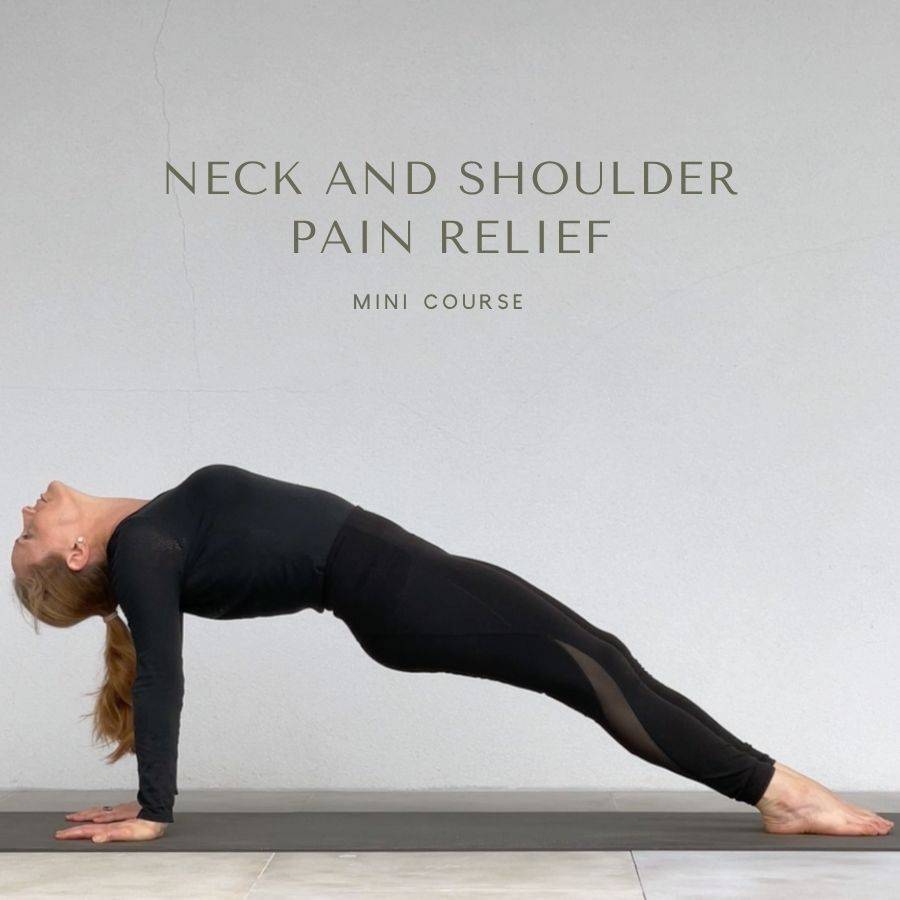
Your shoulders
Tightness and bracing through the shoulders and upper body can change how your ribcage and spine move and where your body compensates.
If the shoulder connection stood out to you, continue exploring the Neck & Shoulder resources.
EXPLORE NECK & SHOULDER SUPPORTYour hips and legs
Your hips, hamstrings and legs influence how easily your pelvis and spine can move.
If those areas are restricted, your back may end up doing movement that should be happening elsewhere.
But tightness isn’t the whole story. If you’re already very flexible, more stretching may not be what your body needs.
Instead, build stability.
Back care also requires strength.
Your core and legs help support and organize the spine as you move, bend, reach, walk and lift. Improving strength and control can be every bit as important as improving flexibility.
What You Do All Day Matters
You can spend 15 minutes opening your hips, strengthening your core and working on your back, then spend the next several hours reinforcing the very pattern you’re trying to change.
That’s why posture and alignment belong in back care too.
Not because there is one “perfect posture.”
Because the positions you repeat all day affect how your body adapts.
1. Take a Posture Audit
Look at the places where you spend the most time:
At your desk
In the car
Reading
Looking at your phone
Watching television
Sleeping
The Posture Audit will help you look at the positions you repeat most often and notice where small changes may reduce unnecessary strain.
Simple Practices You Can Try Today
2. Check Yourself at the Wall
A wall gives you something your mirror can’t: feedback.
Standing against it can help you notice the relationship between your hips, ribcage, shoulders and head without excessive compensation from the spine. It is a moment of truth that helps you identify what needs more opening and where you need more strength.
TRY THE WALL CHECK
Go Deeper: Alignment Begins Within
Read about my journey of "growing a backbone". I learned that alignment within can trickle out in beautiful ways.
FEATURE “ALIGNS: LIFE BEGINS WITHIN” MATERIAL / CHAPTER HERE
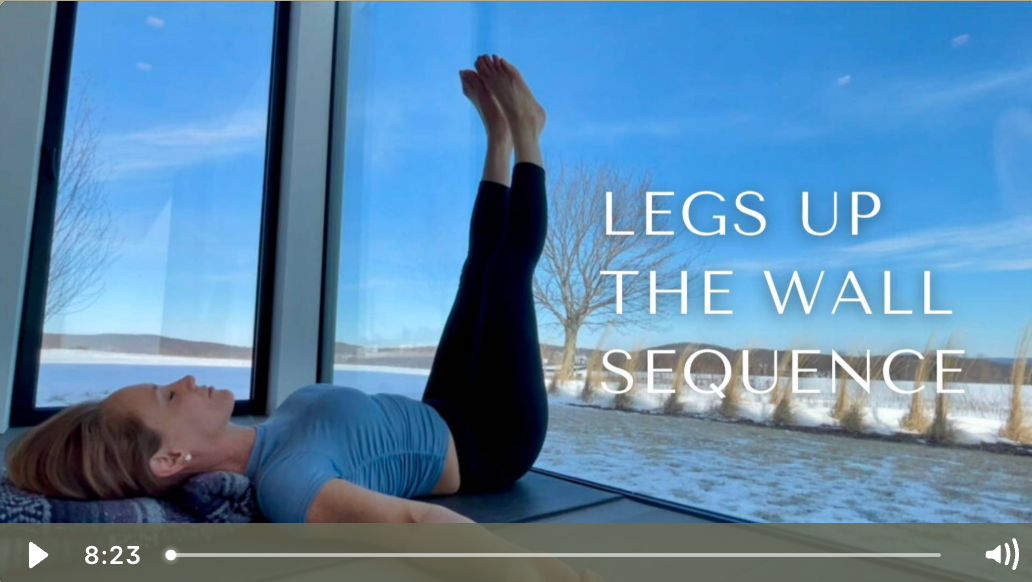
3.Legs Up the Wall
If your hips and legs are tight, this is one of the first places I begin with back care.
Lying down lets your spine stay neutral while you open the hips and hamstrings. Instead of rounding through the back to create the appearance of more flexibility, the legs have to do the stretching.
It also gives you a chance to notice a useful question:
Does changing what’s happening in my hips and legs change what I feel in my back?
If you’re already very flexible: More range of motion isn’t automatically better. If you know or suspect you’re hypermobile, your joints feel unstable, or stretching tends to make you feel looser but not better, stay within a comfortable range. Strength and control may matter more than additional flexibility.
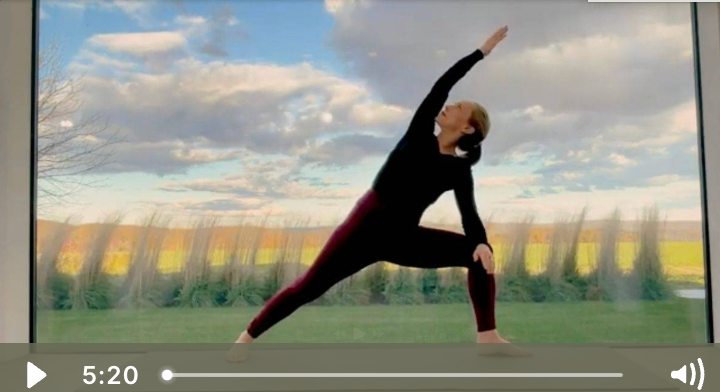
4.Standing Poses at the Wall
Once you’ve worked with the hips and legs in a supported position, bring that work upright.
The wall gives you feedback about your alignment while you work through the hips and legs without simply borrowing movement from the low back.
These are foundational back-care poses and some of the first standing practices I teach after Legs Up the Wall.
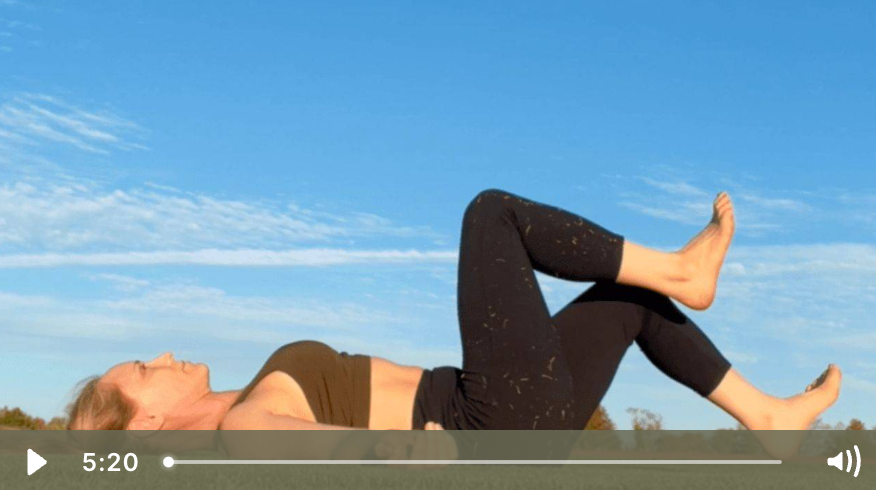
5. Build a Stronger Core
Flexibility alone isn’t enough.
Your core helps provide a stable base for movement and support the spine as the arms and legs move around it.
This practice begins building the strength and control that back care requires.
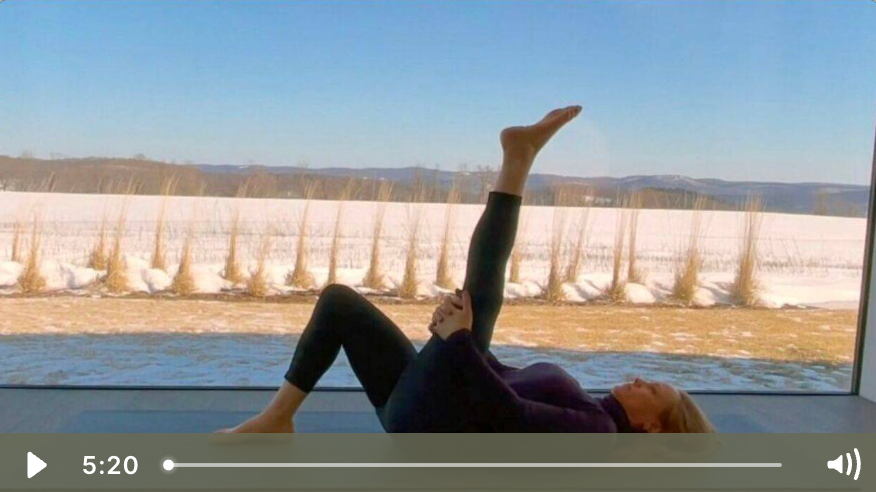
6. Full-Body Recovery Sequence
Your low back is part of a much larger system.
This sequence works through several connected areas instead of repeatedly targeting the painful spot.
It’s a good way to explore a central idea behind this page:
Sometimes changing what’s happening somewhere else changes what your back has to do.
Explore More Support Resources
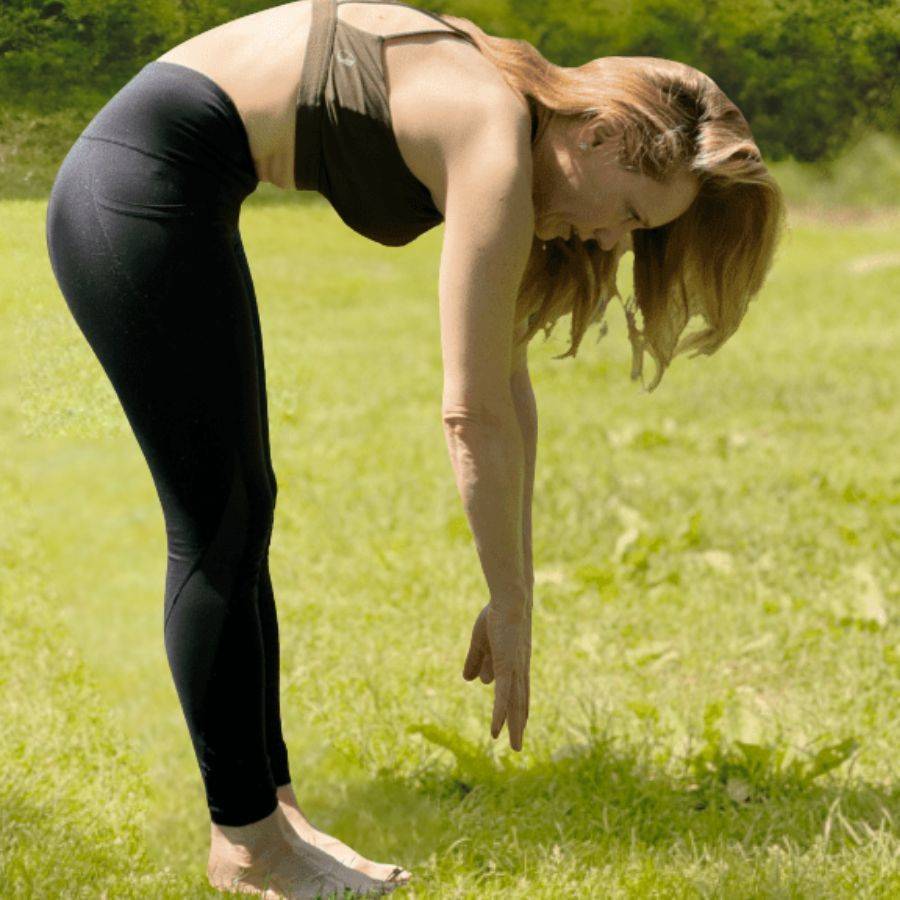
Stop Trying to Touch Your Toes!!!
If your hamstrings and hips are tight, forcing a forward bend can turn your spine into the most mobile part of the stretch.
This post explains why that compensation matters and shows ways to work with tight legs while keeping the back better supported.
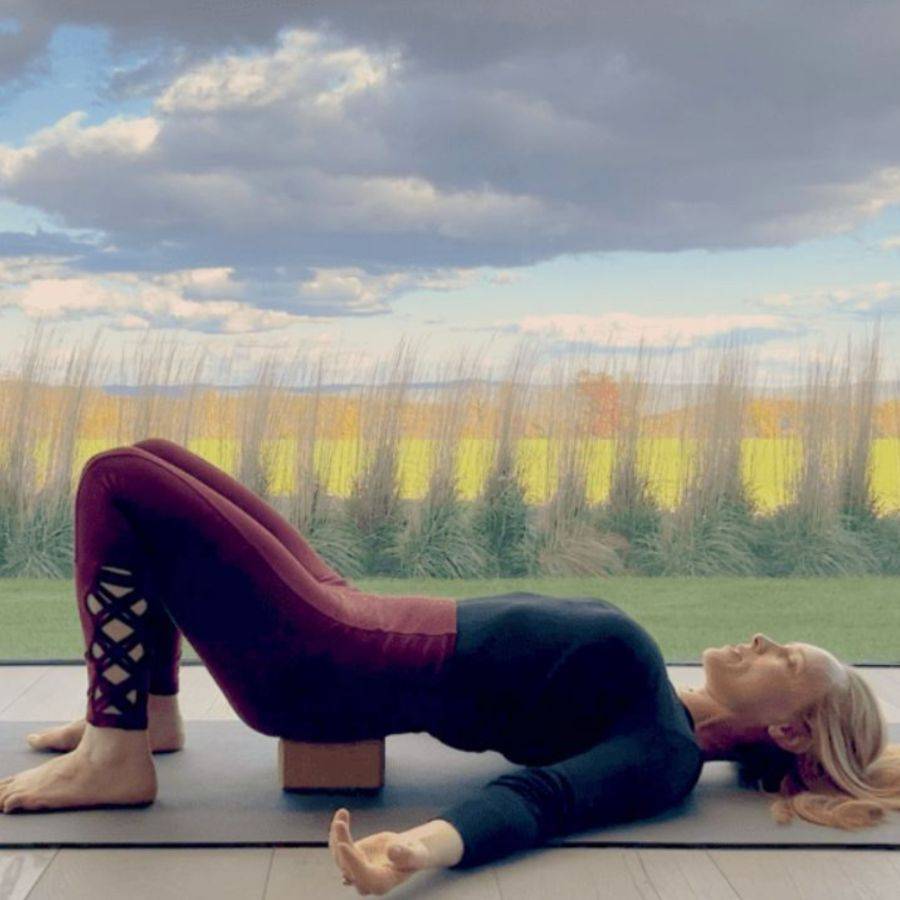
Low Back Pain and the Sacrum
Sometimes it helps to look at the position of the pelvis rather than repeatedly working on the painful muscles themselves.
This resource gives you a simple way to explore the sacrum and notice whether changing pelvic position changes what you feel through the low back and glutes.
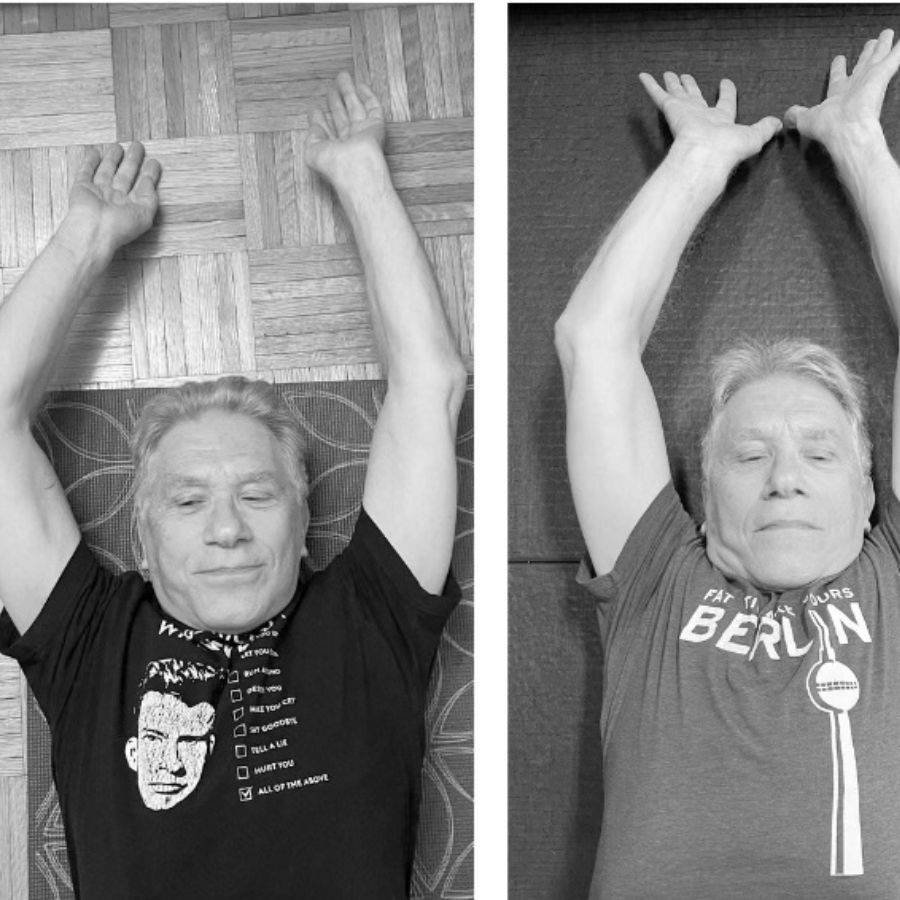
Case Study: Why Shoulder Pain Often Starts in the Hips
The title says shoulder pain, but the lesson is much bigger.
This visual case shows how changing mobility in the hips and legs produced a dramatic change somewhere much farther away.
It’s a useful reminder that the place you feel pain doesn’t always tell you where to begin.
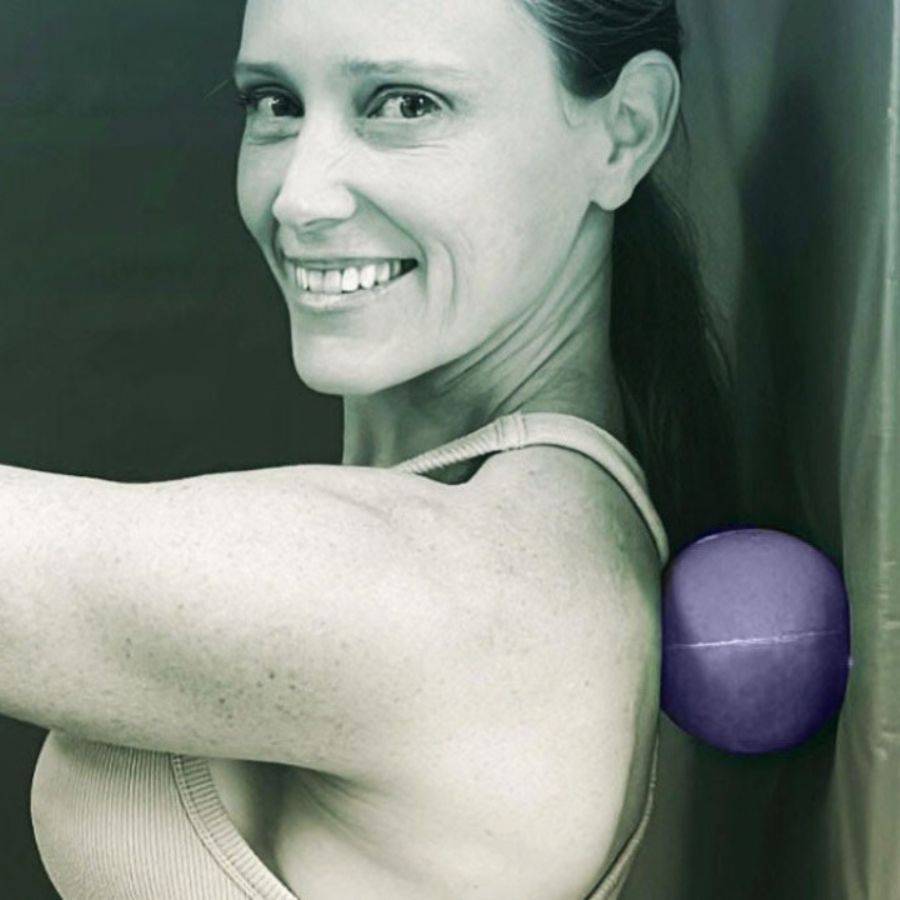
Explaining Fascia, Myofascia and Self-Myofascial Release
Why might changing tension in your hips, legs or upper body affect your back?
Fascia is one part of the answer.
This continuous connective-tissue network helps link structures throughout the body and is one reason I often work well beyond the location of the symptom itself.
Constructive Versus Destructive Pain
Back pain can make people afraid to move.
It can also make people determined to stretch, roll or push their way through every uncomfortable sensation.
Neither extreme is particularly useful.
Learn how to distinguish useful feedback from the kind of pain that tells you to stop, change position or reduce the intensity.
Helpful Tools to Support Your Body
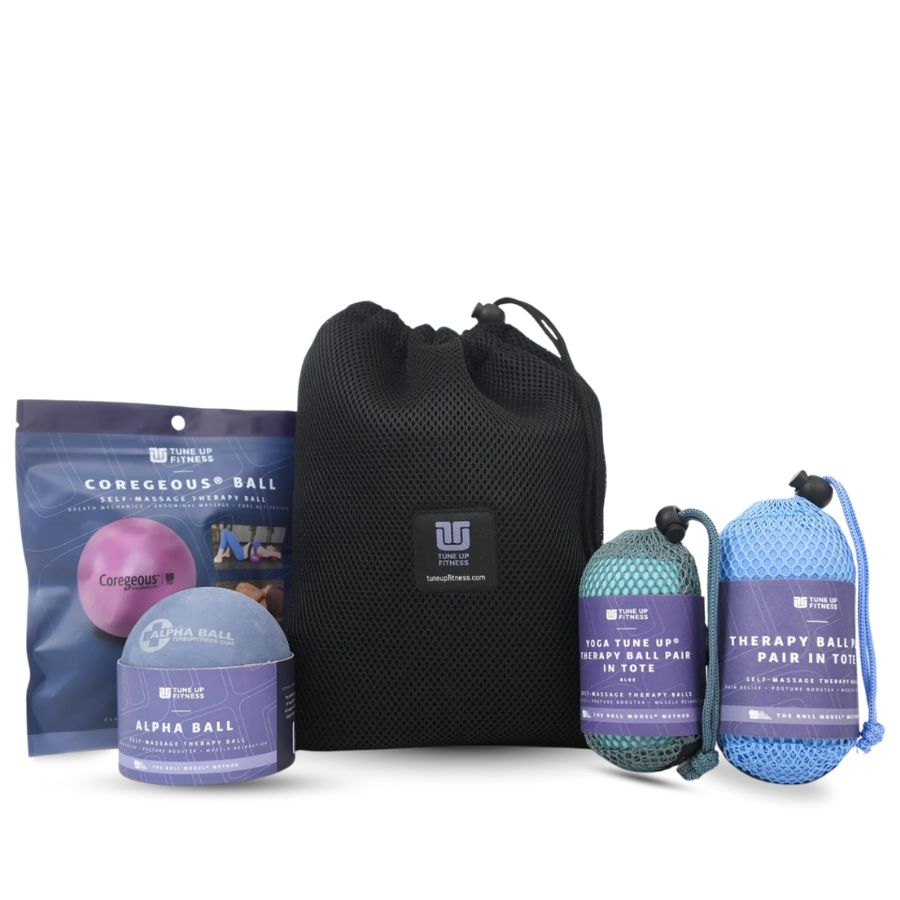
Roll Model® Starter Kit
I use therapy balls extensively to work with areas that can influence the back, including the glutes, hips, upper back and legs.
Different ball sizes let you adjust the tool and pressure to the area you’re exploring.
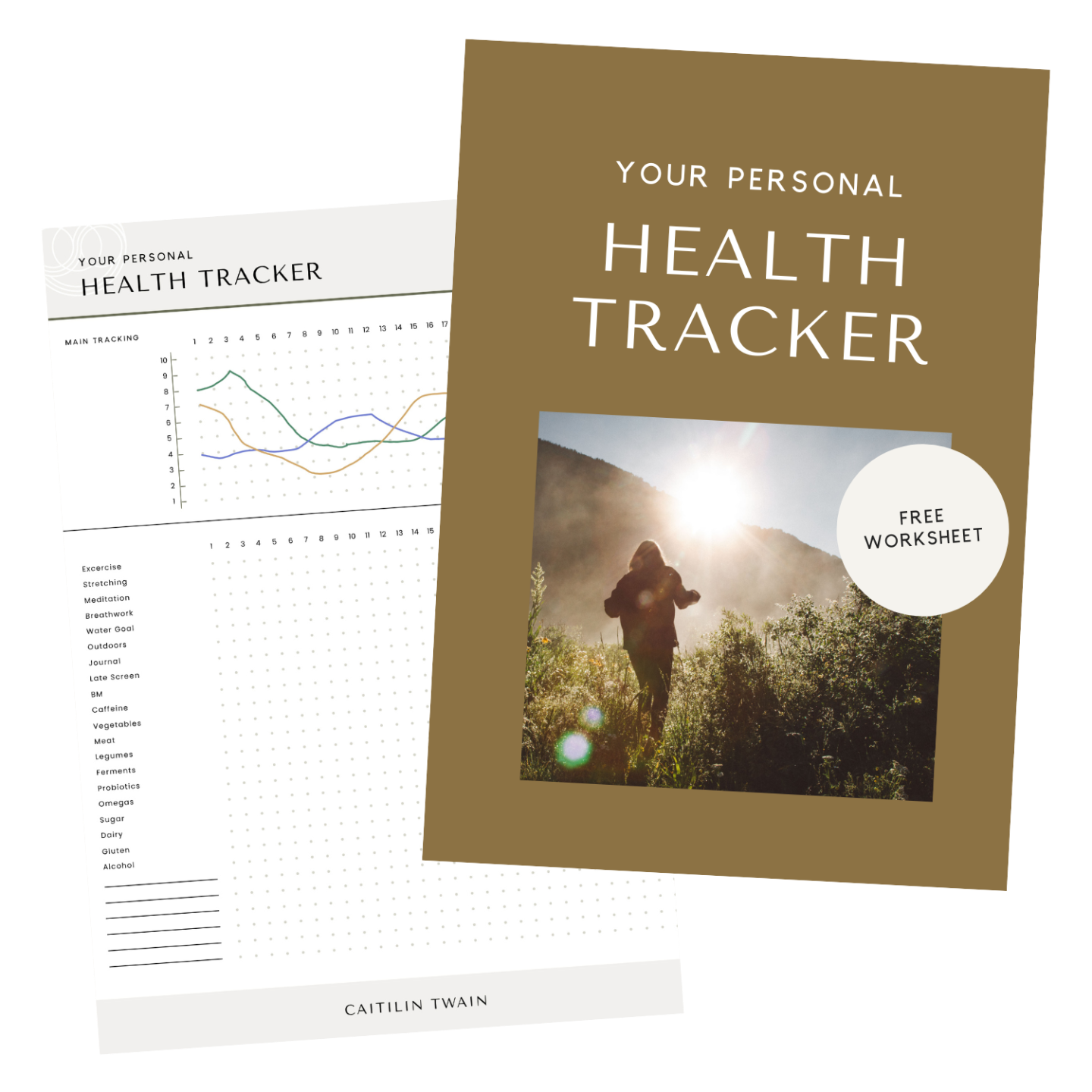
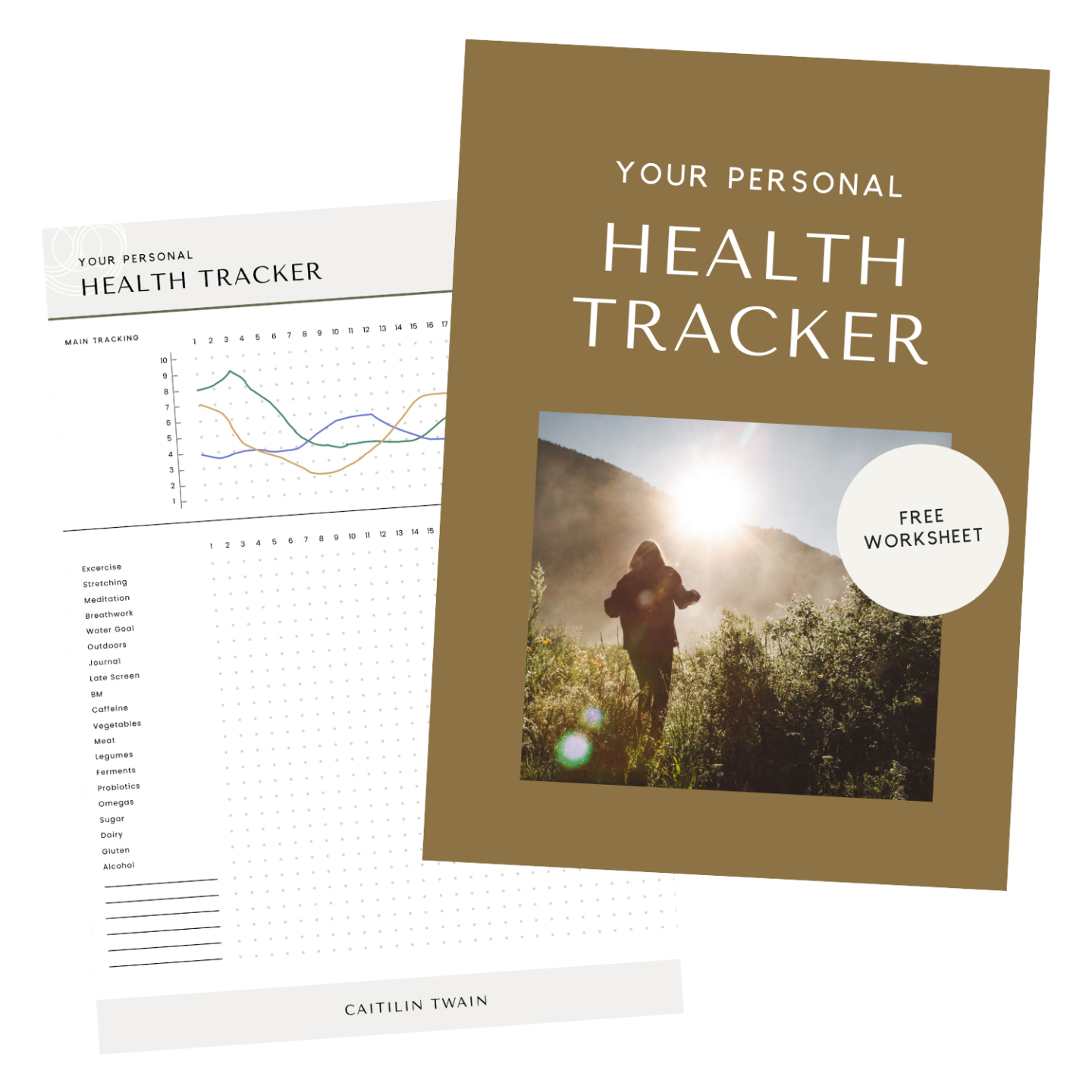
Health Tracker
Back pain often seems unpredictable until you start looking for patterns.
Sitting, exercise, sleep, stress, travel, long drives, workouts and how long you stay in one position can all influence what you feel from day to day.
A short period of tracking can help you see what consistently makes things better or worse.
Favorite Props & Ergonomic Support
Sometimes the next useful intervention isn’t another exercise.
It’s changing the position you spend hours in every day.
I’ve collected some of the props and ergonomic tools I use and recommend to support better positioning at work, at home and during movement practice
Stories From Others on This Journey

Look Above and Below the Pain
If you keep working directly on your low back without lasting change, widen the lens.
Look at your shoulders.
Look at your hips and legs.
Look at your core.
Look at the positions you repeat all day.
Notice where your body moves easily, where it compensates and where it may need strength rather than more stretching.
The goal isn’t to loosen everything or force yourself into “perfect posture.”
It’s to figure out what your body is asking for.

Still not sure?
If you’re having trouble making sense of the pattern, this is exactly the kind of problem I help people untangle.
Learn More From Your Own Patterns
Use the Health Tracker to notice what happens alongside sitting, movement, exercise, sleep, stress, travel, recovery and the positions you spend the most time in.
You don’t need to track forever.
You’re looking for clues.
GET THE FREE HEALTH TRACKER