Lorem ipsum dolor sit amet, consectetur adipiscing elit
Lorem ipsum dolor sit amet, consectetur adipiscing elit, sed do eiusmod tempor incididunt ut labore et dolore magna aliqua. Ut enim ad minim veniam, quis nostrud exercitation ullamco laboris nisi ut aliquip ex ea commodo consequat. Duis aute irure dolor in reprehenderit in voluptate velit esse cillum dolore eu fugiat nulla pariatur. Excepteur sint occaecat cupidatat non proident, sunt in culpa qui officia deserunt mollit anim id est laborum.
Work With CTwain
Start with the resources below ↓
Guided Support
If you came through the wrist and elbow section of the quiz, you’ve already explored some of these connections.
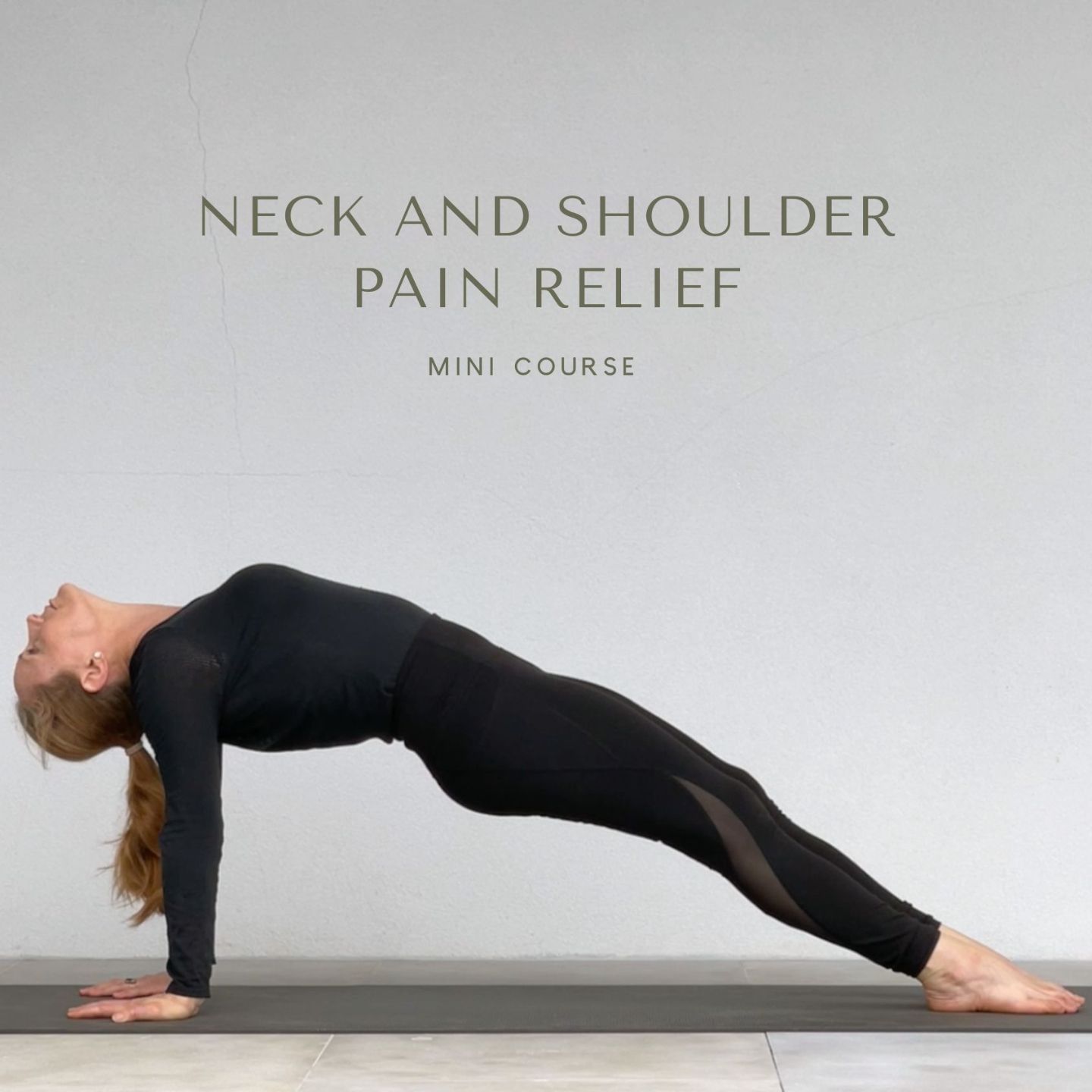
Neck & Shoulder Pain Relief Mini-Course
Wrist and elbow pain can sometimes be influenced by what’s happening farther up the arm, including the neck and shoulders. This course helps you work with tension, alignment and movement through that larger chain, rather than focusing only on the place that hurts.
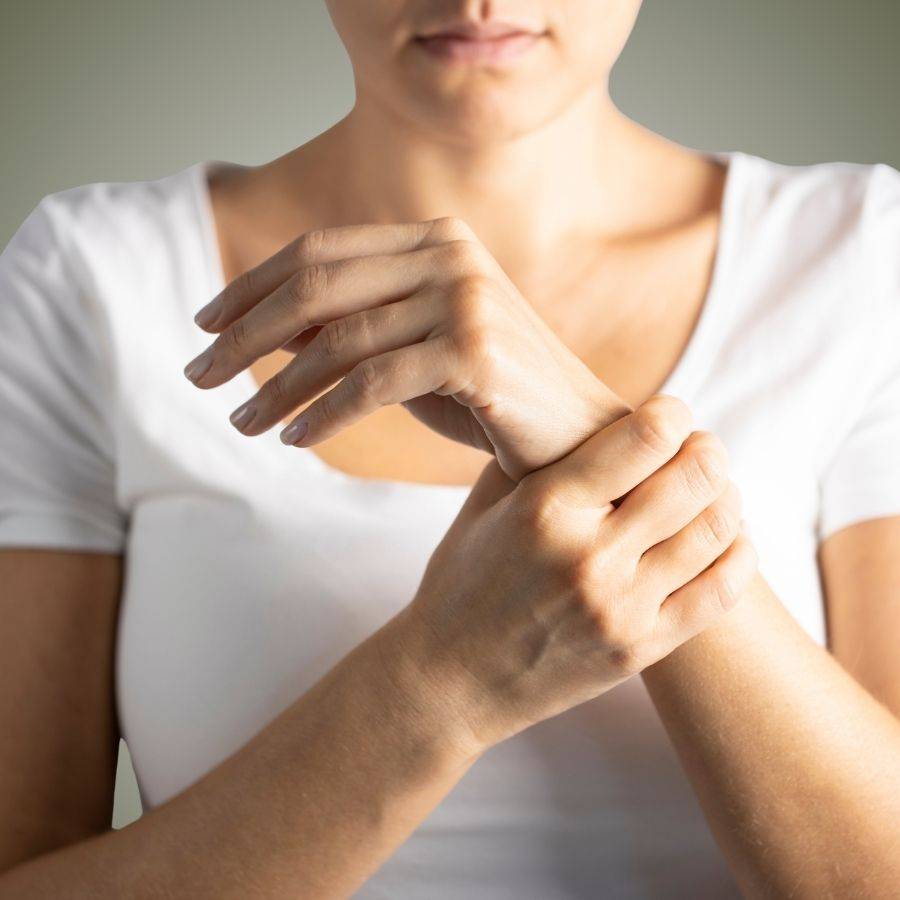
Why Your Wrist Pain Isn’t a Wrist Problem
The place that hurts isn’t always the source. See why tension through the forearm, shoulder, ribcage or neck can show up as wrist or elbow pain, and what real client cases can teach you about looking farther up the chain.
Read the postSimple Practices You Can Try Today
Repetitive typing, scrolling and gripping can leave the muscles leading into the wrist surprisingly tight.
Try this targeted self-myofascial release and notice whether changing tension in the forearm changes what you feel at the wrist.
Explore More Support Resources
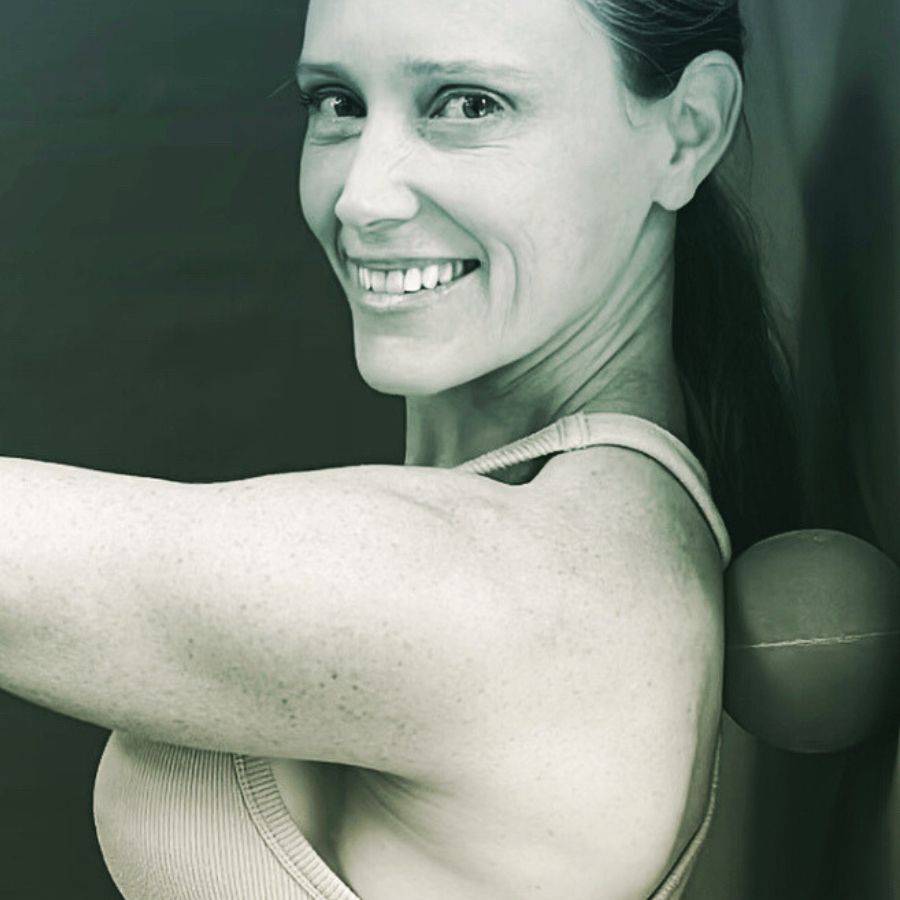
Explaining Fascia, Myofascia, and Self-Myofascial Release
Your wrist is connected to your forearm, shoulder, chest and the rest of your body through continuous networks of connective tissue. Understanding fascia helps explain why releasing tension somewhere other than the painful spot can change what you feel.
Constructive Versus Destructive Pain
Self-massage and mobility work can be uncomfortable, but more pain doesn’t mean more progress. Learn how to distinguish useful sensation from the kind of pain that tells you to back off or change what you’re doing.

Anti-Inflammatory Elixir Recipe
If arthritis or inflammation may be contributing to your pain, mechanics are only part of the picture. Try this simple recipe from my Gut Health Reset course as one practical way to bring more anti-inflammatory foods and spices into your day.
Helpful Tools to Support Your Body
Sometimes small tools and simple resources can make daily practices easier and more enjoyable.
Below are a few tools many people find helpful as they begin improving mobility, stress regulation, and overall health.
Take what feels useful and leave the rest.
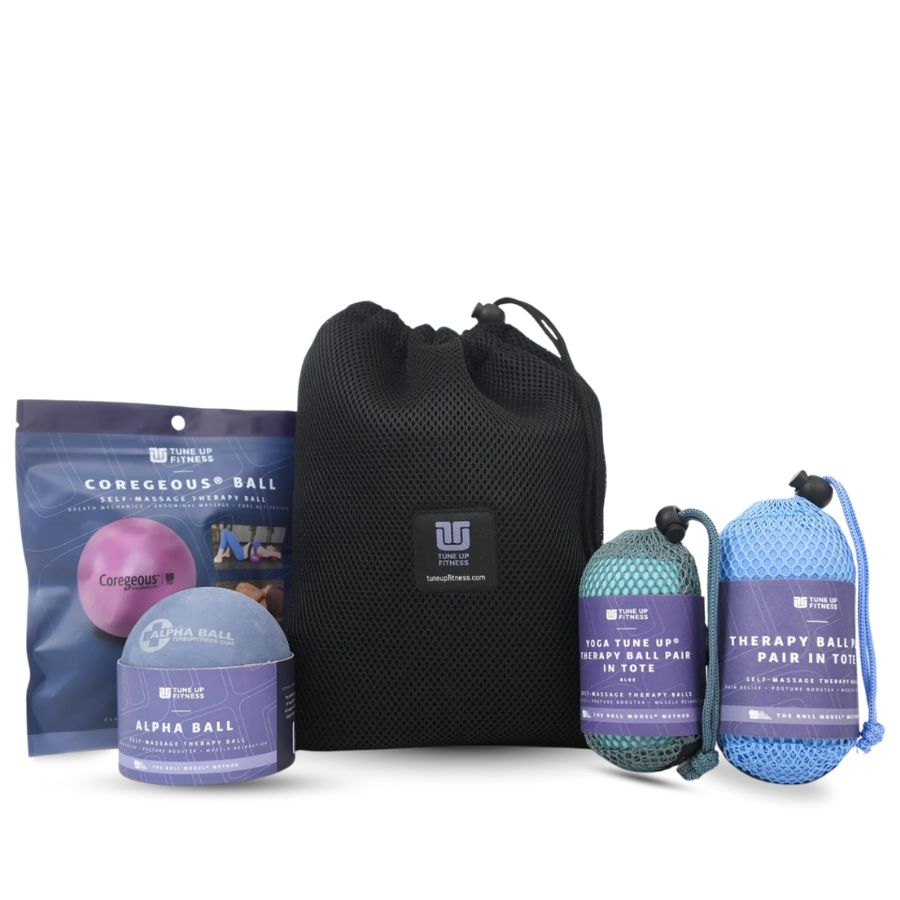
Roll Model® Starter Kit
I use therapy balls for wrist and elbow work because they allow you to explore tension through the forearms, hands, and surrounding tissues that may be contributing to discomfort or restricted movement.
The Roll Model® Starter Kit gives you four different sizes so you can adjust the tool and pressure to the area you’re working with.
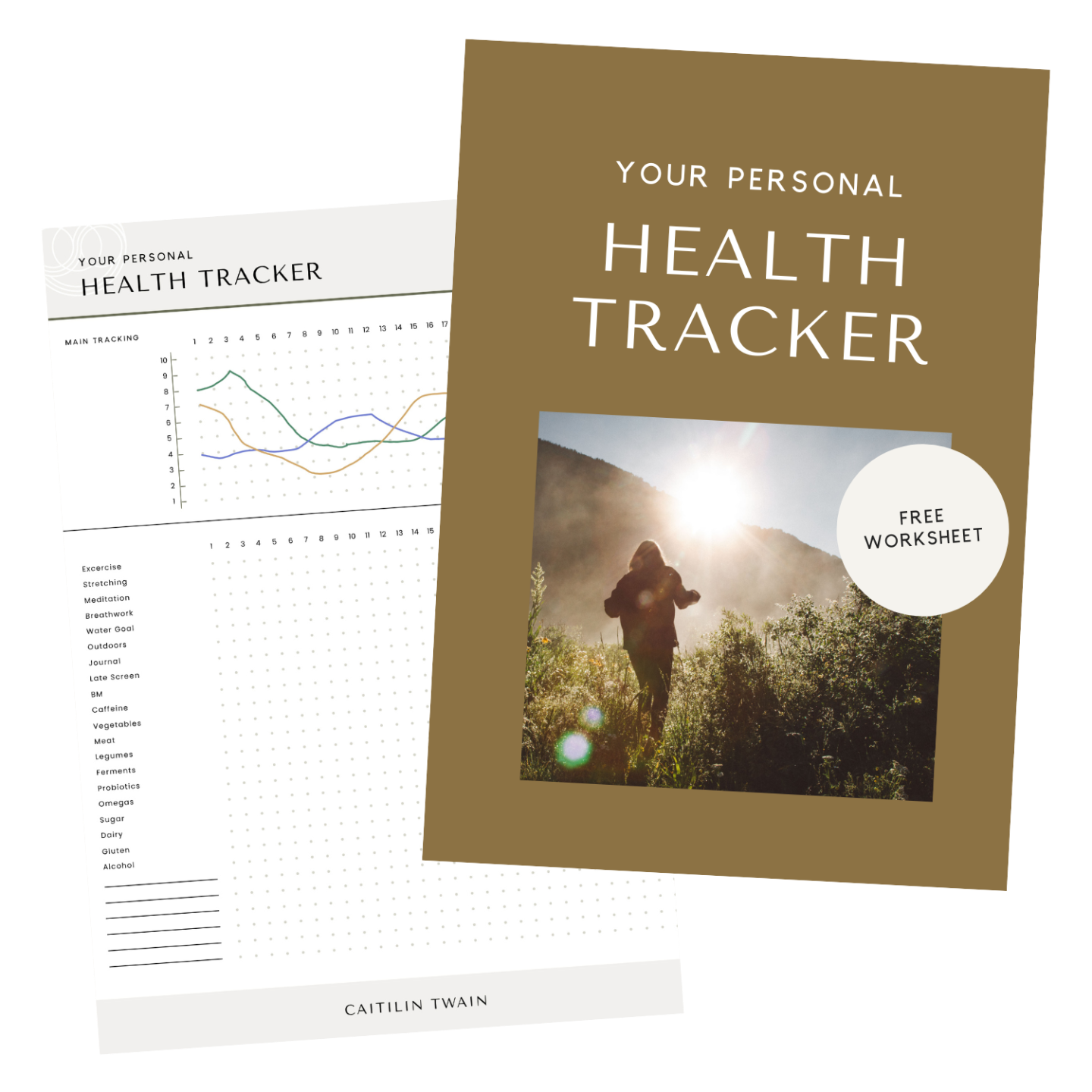
Health Tracker
Pain can change with much more than movement.
Computer time, exercise, sleep, stress, recovery, travel and even how long you spend in one position can influence what your body feels like from day to day.
A short period of tracking can help you notice connections that are difficult to see from memory alone.
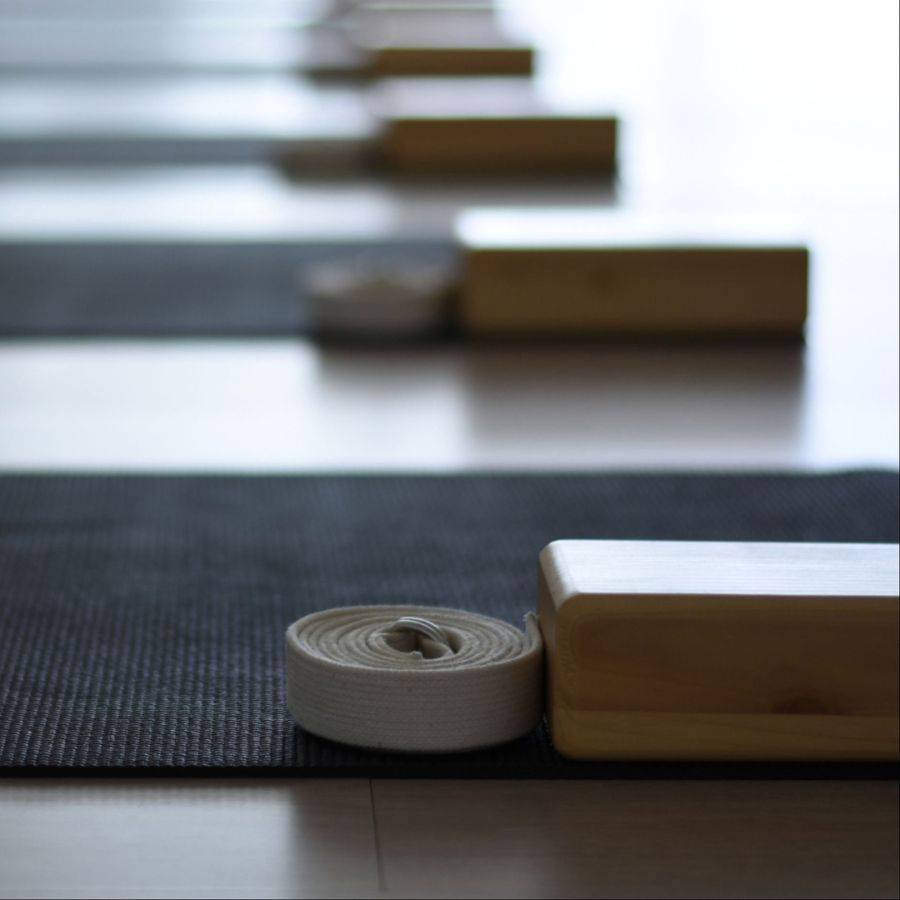
Favorite Props & Ergonomic Support
Sometimes a small change in your setup makes a very big difference to your wrists, elbows, neck and shoulders.
Caitilin’s Resources page includes some of her favorite props and ergonomic support tools, including options for workstation setup, positioning, trigger-point work and movement practice.
Stories From Others on This Journey
Below are a few stories from individuals who have worked with Caitilin and explored these approaches.
You don’t have to rush this process
Body change rarely happens through pressure.
It usually happens through understanding.
Take your time exploring the resources here, and focus on learning what your body might be asking for.
Even small changes can begin shifting things in the right direction.

Get in touch
If you’re having trouble figuring out which part of the pattern matters most, I can help you connect the dots.
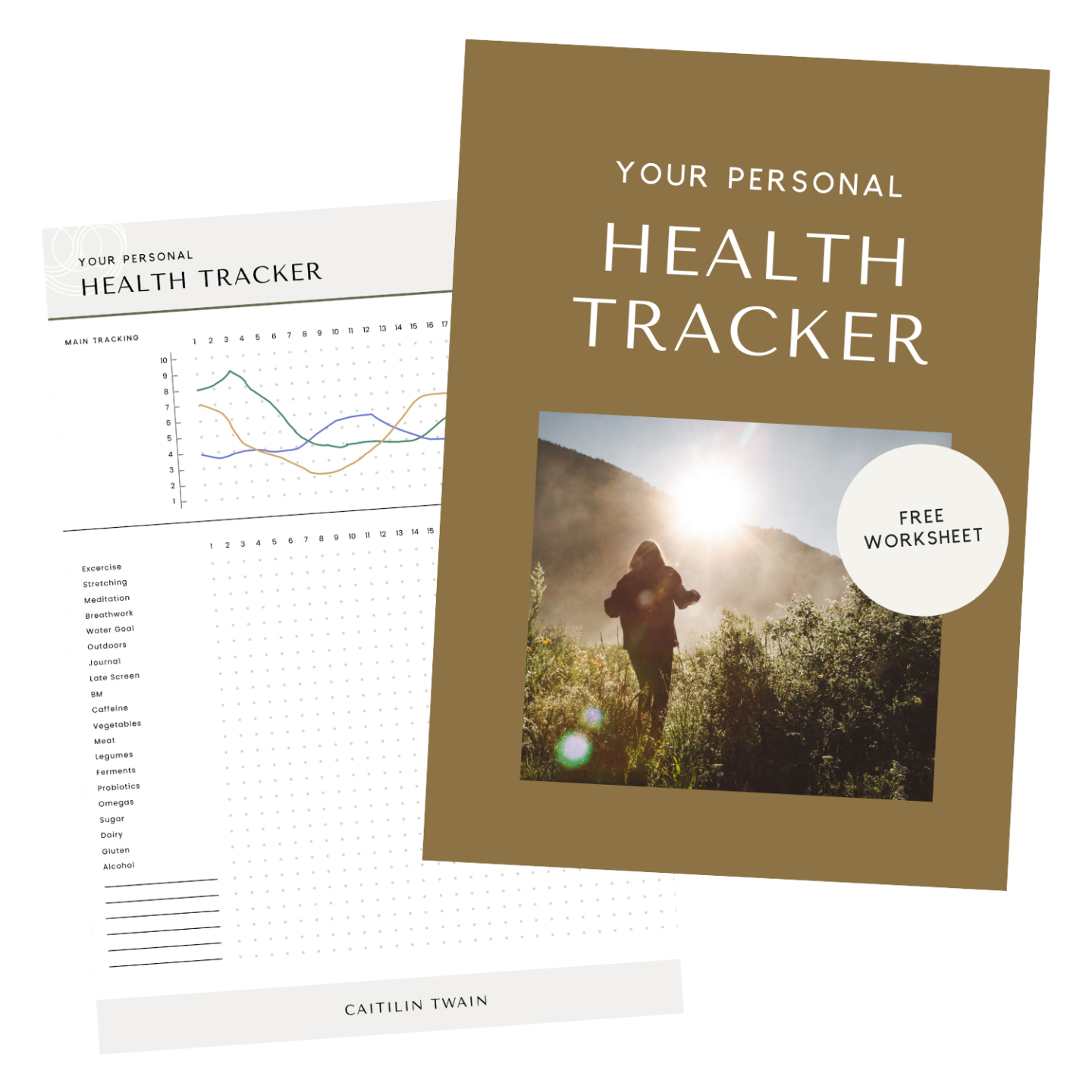
Learn about yourself with this powerful free tool
Pain patterns are much easier to understand when you can see what changes them.
Use the Tracker to notice what happens alongside movement, sitting, exercise, sleep, stress, travel, recovery and the positions you spend the most time in.
You don’t need to track forever.
You’re looking for clues.
GET THE FREE HEALTH TRACKER