Start With the Bigger Pattern
If you came through the back-pain section of the quiz, you’ve already explored some of these connections.
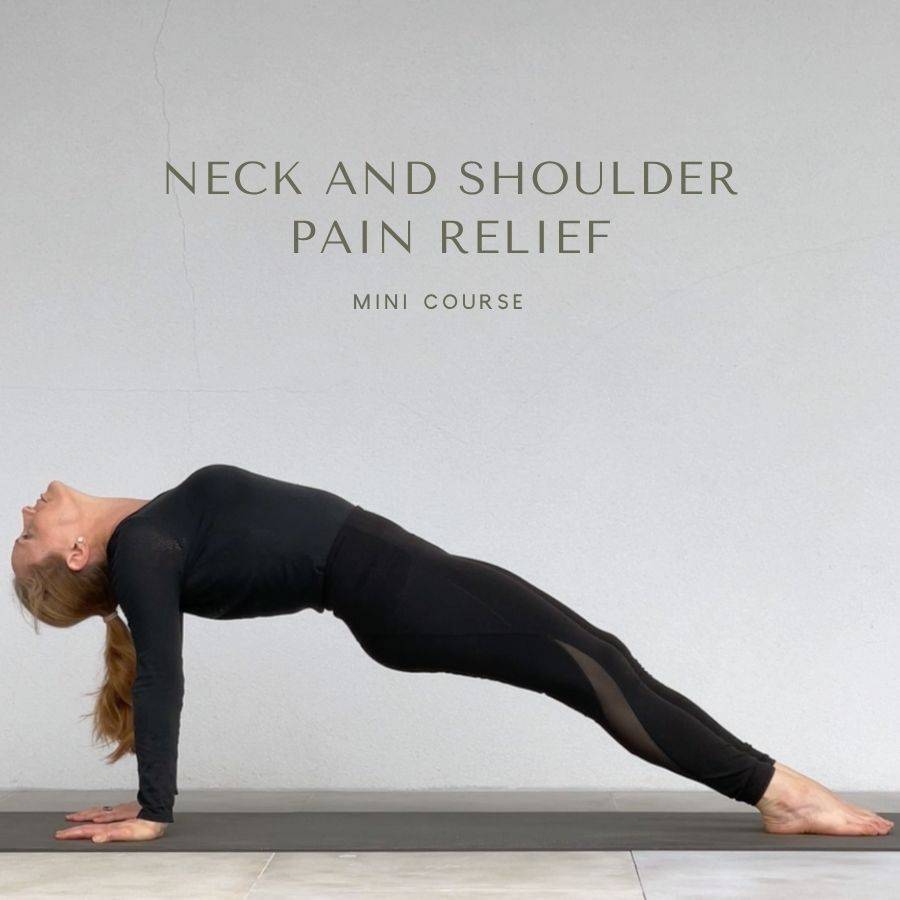
Your shoulders
Tightness and bracing through the shoulders and upper body can change how your ribcage and spine move and where your body compensates.
If the shoulder connection stood out to you, continue exploring the Neck & Shoulder resources.
EXPLORE NECK & SHOULDER SUPPORTYour hips and legs
Your hips, hamstrings and legs influence how easily your pelvis and spine can move.
If those areas are restricted, your back may end up doing movement that should be happening elsewhere.
But tightness isn’t the whole story. If you’re already very flexible, more stretching may not be what your body needs.
Instead, build stability.
Back care also requires strength.
Your core and legs help support and organize the spine as you move, bend, reach, walk and lift. Improving strength and control can be every bit as important as improving flexibility.
What You Do All Day Matters
You can spend 15 minutes opening your hips, strengthening your core and working on your back, then spend the next several hours reinforcing the very pattern you’re trying to change.
That’s why posture and alignment belong in back care too.
Not because there is one “perfect posture.”
Because the positions you repeat all day affect how your body adapts.
1. Take a Posture Audit
Look at the places where you spend the most time:
At your desk
In the car
Reading
Looking at your phone
Watching television
Sleeping
The Posture Audit will help you look at the positions you repeat most often and notice where small changes may reduce unnecessary strain.
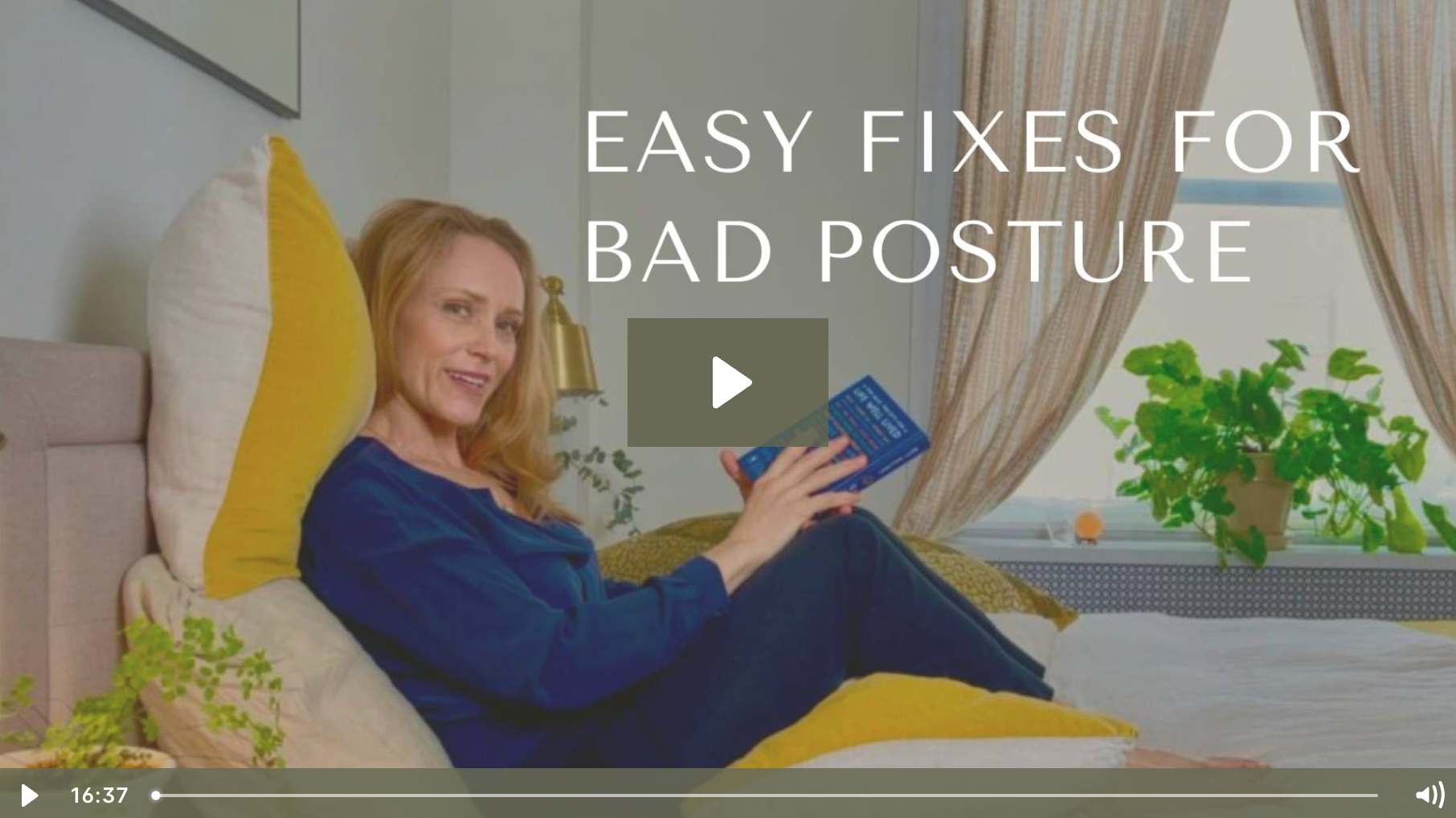
Simple Practices You Can Try Today
2. Check Yourself at the Wall
A wall gives you something your mirror can’t: feedback.
Standing against it can help you notice the relationship between your hips, ribcage, shoulders and head without excessive compensation from the spine. It is a moment of truth that helps you identify what needs more opening and where you need more strength.
Amazing Feature
Lorem ipsum dolor sit amet, metus at rhoncus dapibus, habitasse vitae cubilia.
Explore More Support Resources
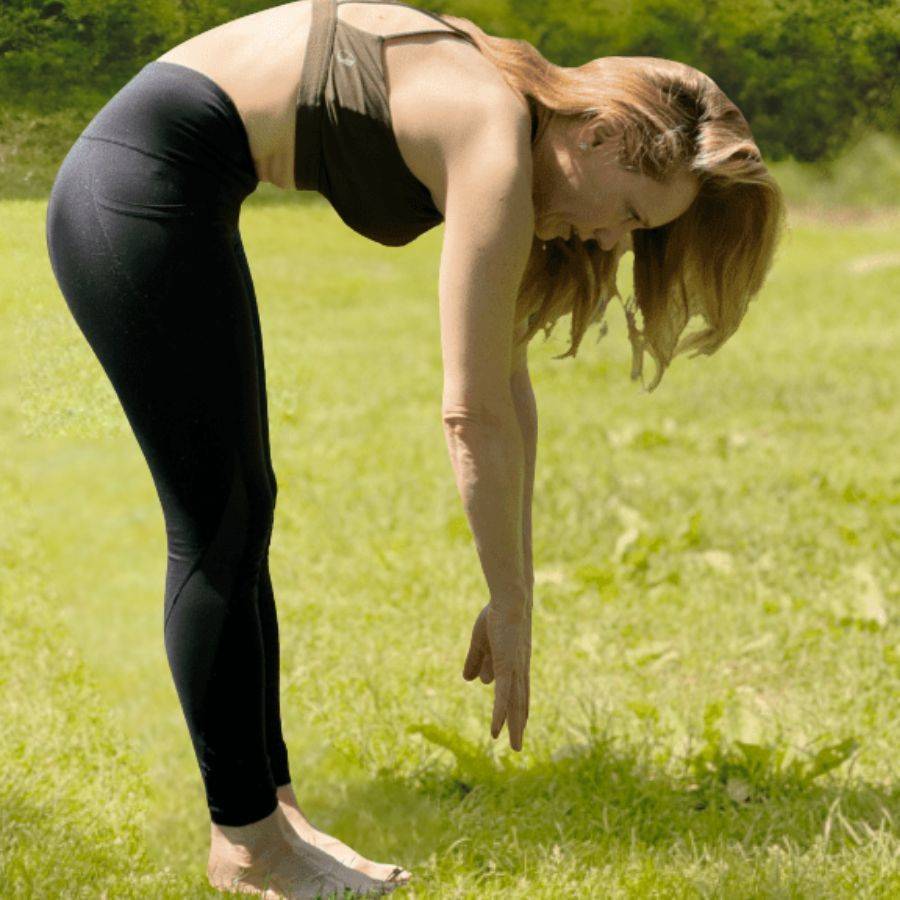
Stop Trying to Touch Your Toes!!!
Tight legs can tempt you to stretch harder, while your spine quietly does most of the movement.
This post shows why that compensation matters and demonstrates safer ways to work with the hips and legs while keeping the back supported.
It also includes the Legs Up the Wall and standing-wall sequences featured above.

How to Listen to Your Body: A Real-Life Guide to Somatic Awareness
Lucy originally came in because her ankle hurt.
As we worked together, she learned that tension farther up the leg was influencing what she felt at the ankle and how to respond before the pain accumulated again.
It’s a useful example of why the place that hurts isn’t always the only place worth investigating.
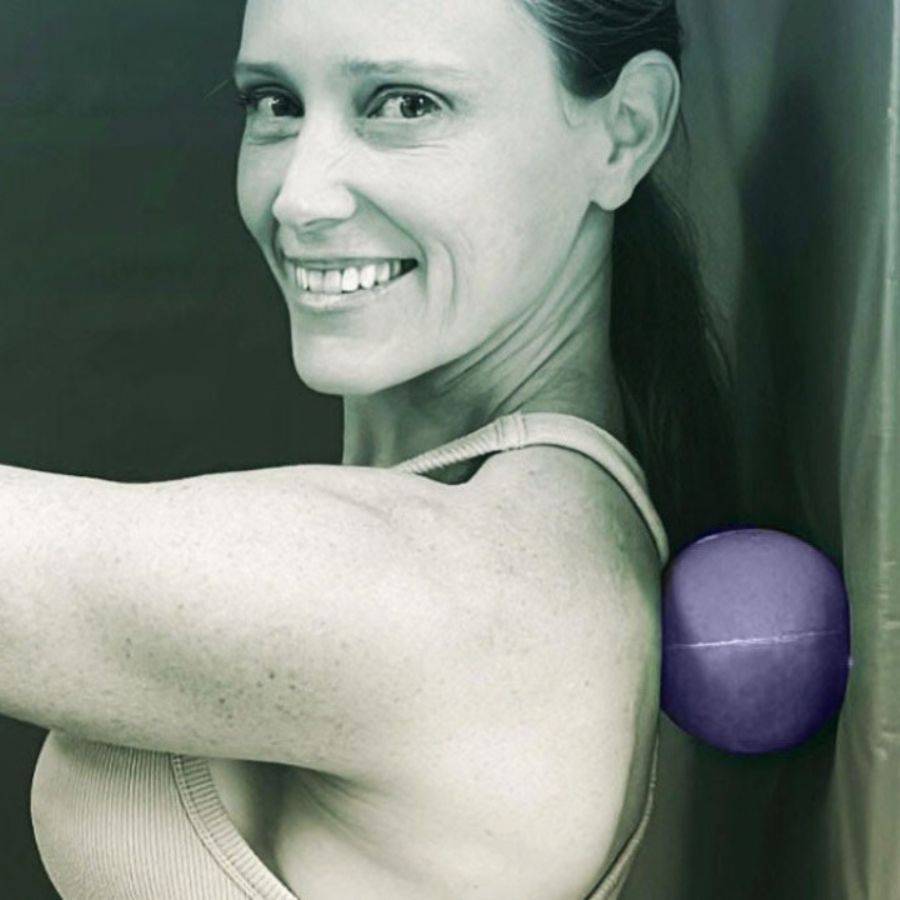
Explaining Fascia, Myofascia and Self-Myofascial Release
Your hips, legs and feet aren’t separate pieces.
Fascia forms a continuous connective-tissue network throughout the body, which is one reason tension and movement in one region can influence another.
This post explains the anatomy and shows how I use self-myofascial release to help people explore those relationships for themselves.
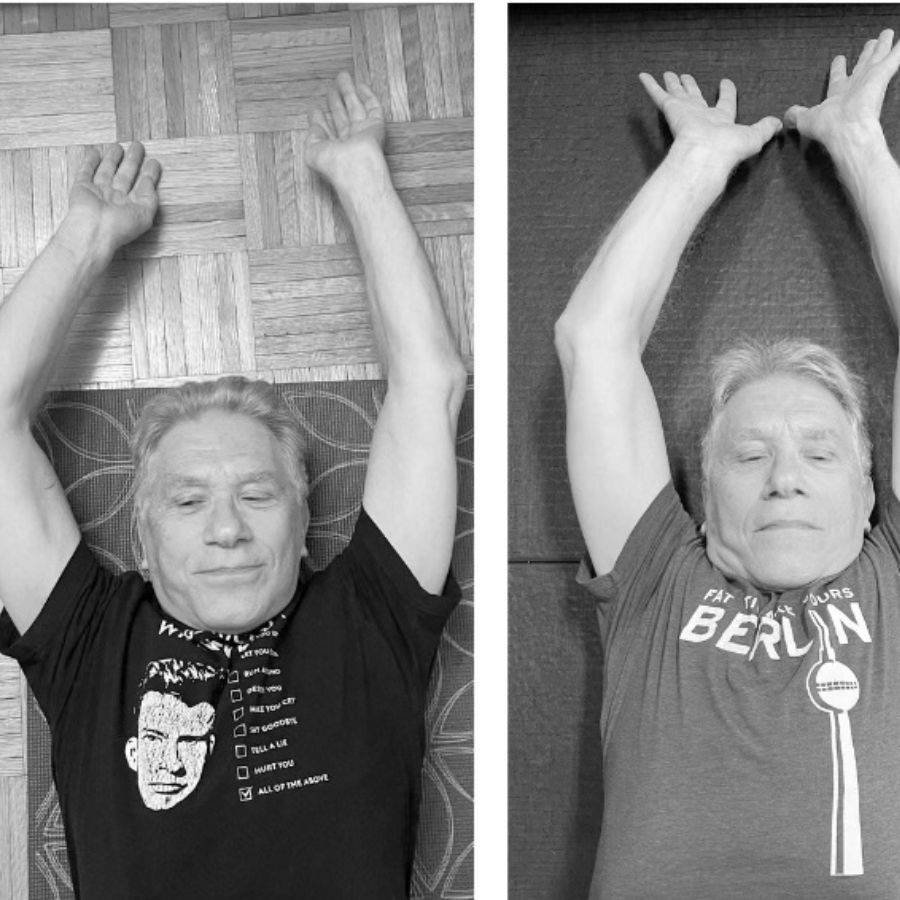
Case Study: Why Shoulder Pain Often Starts in the Hips
Yes, this is technically a shoulder case study.
But the larger lesson is particularly relevant here: changes through the hips and legs can show up far away from where the original restriction lives.
It’s a visual demonstration of why I look at the body as a connected movement system rather than treating each joint in isolation.
When the Hips Aren’t the Whole Answer
Sometimes opening the hips creates a dramatic change.
Sometimes it doesn’t.
If symptoms remain, the next place I often explore is farther down the chain: the thighs, calves, ankles and feet.
That may mean improving mobility, changing how a joint is loading, strengthening an underused area or using self-myofascial release to reduce tension through the legs and feet.
Helpful Tools
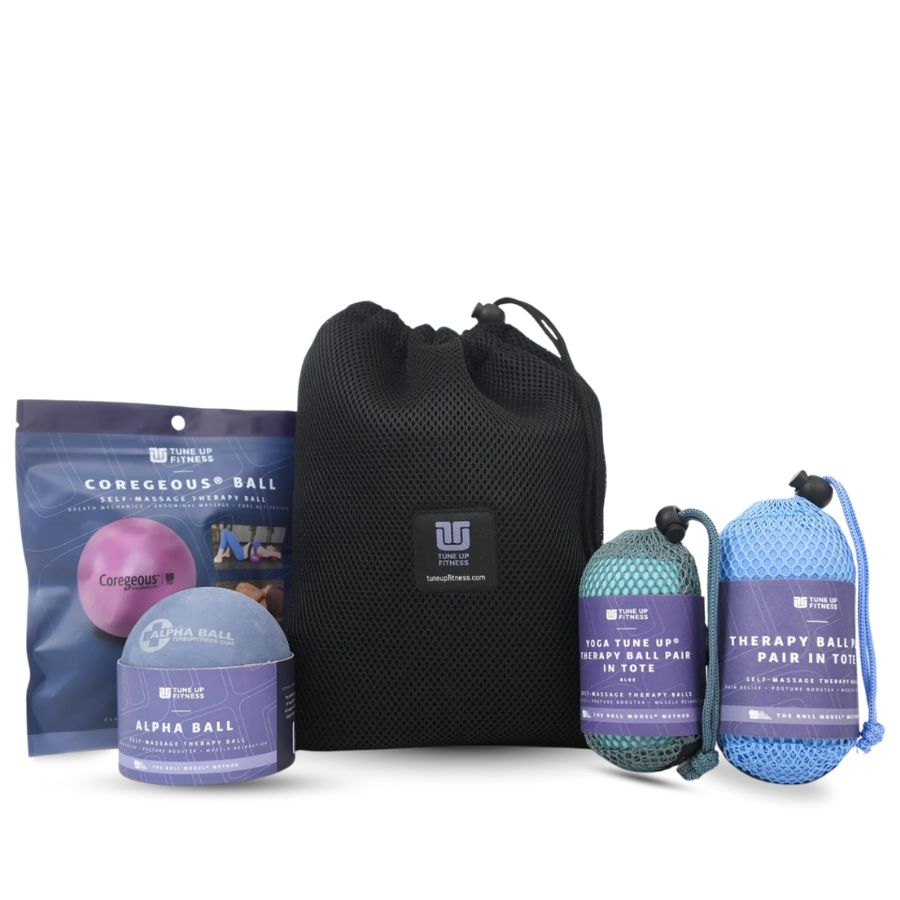
Roll Model® Starter Kit
Therapy balls let you work more precisely through the glutes, hips, thighs, calves and feet than a broad foam roller can.
They’re especially useful when you’re trying to understand where you’re holding tension and whether changing one area alters what you feel somewhere else.
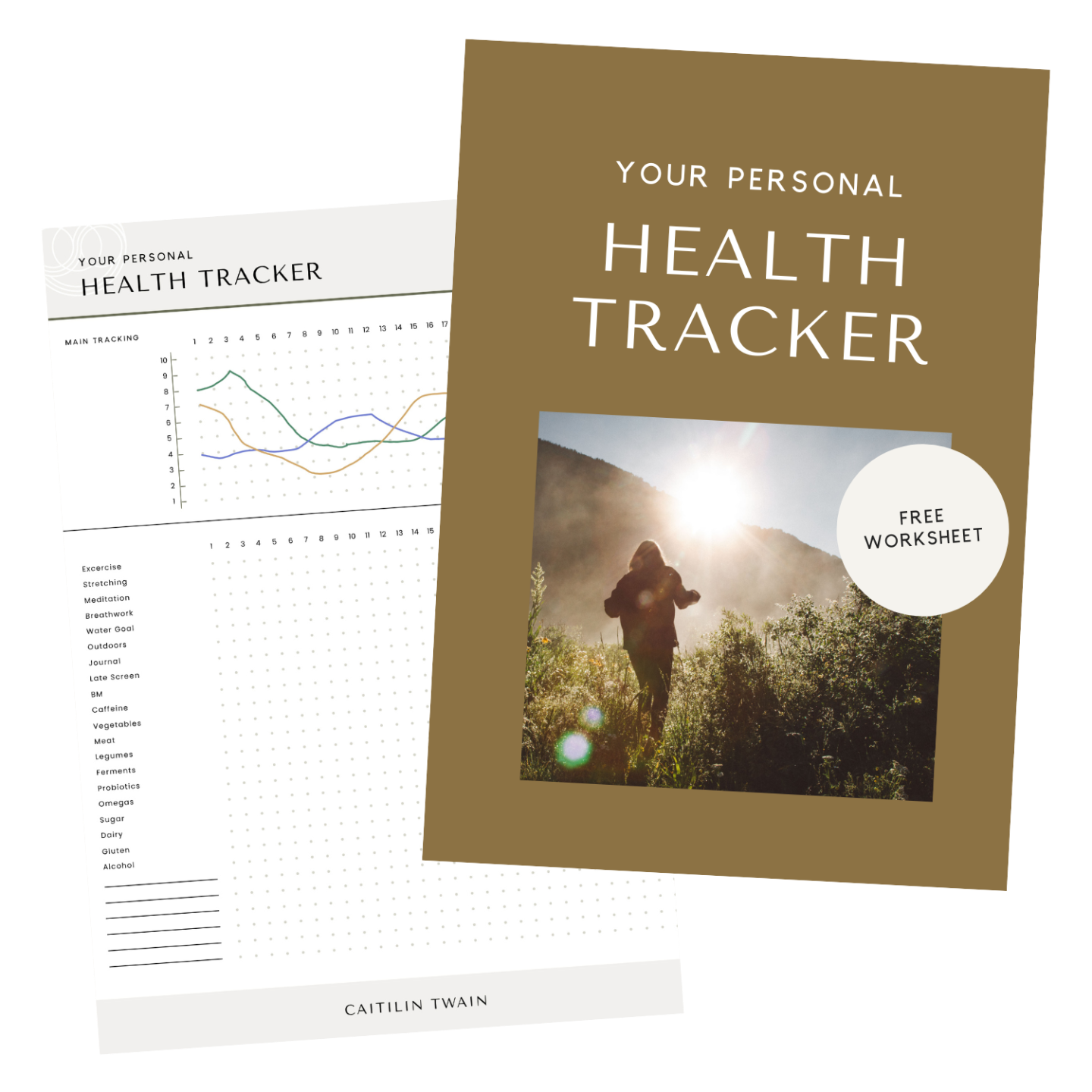
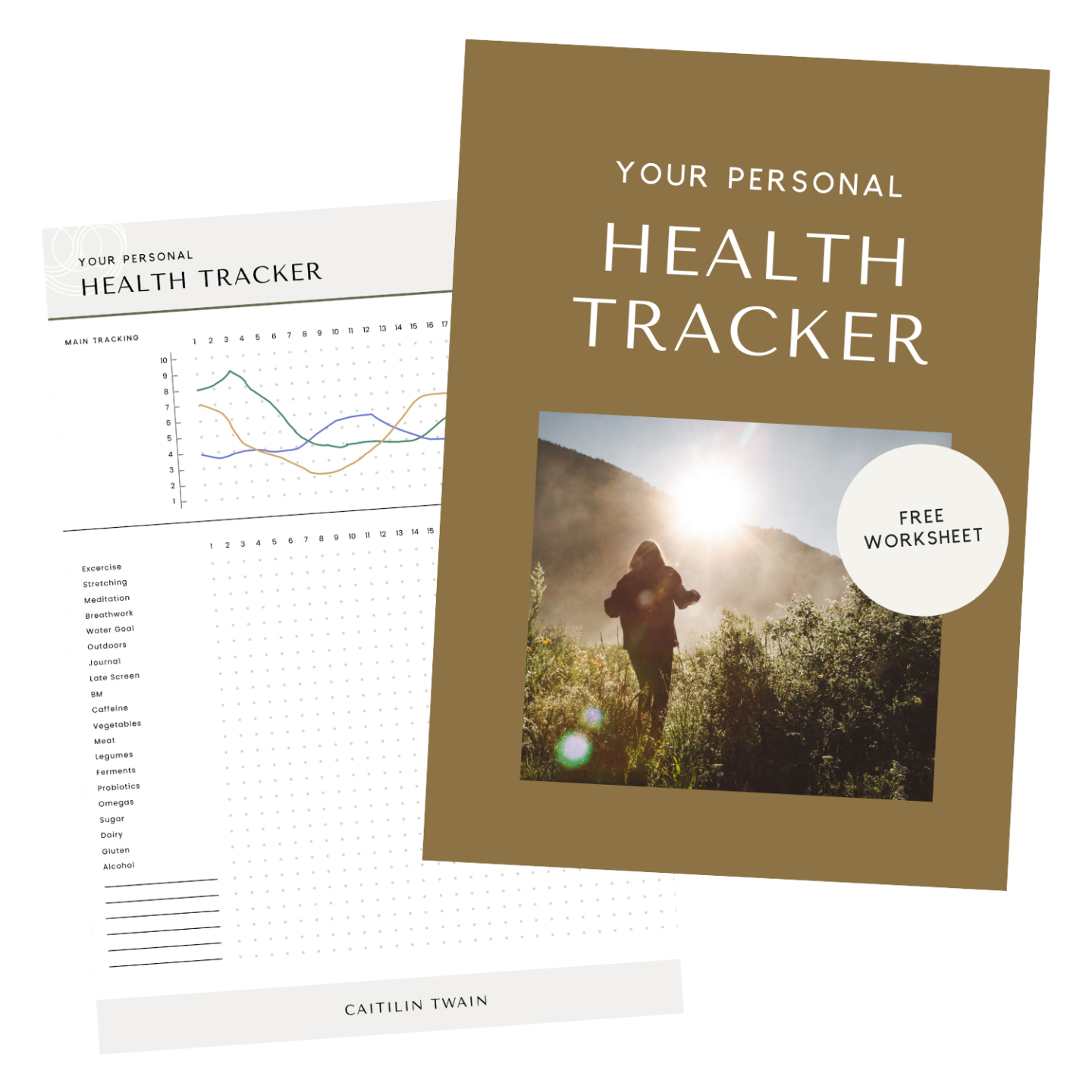
Health Tracker
Lower-body pain often changes with activity, sitting, workouts, shoes, walking volume, travel and recovery.
Tracking for a short period can help you see what repeatedly improves or aggravates the pattern.
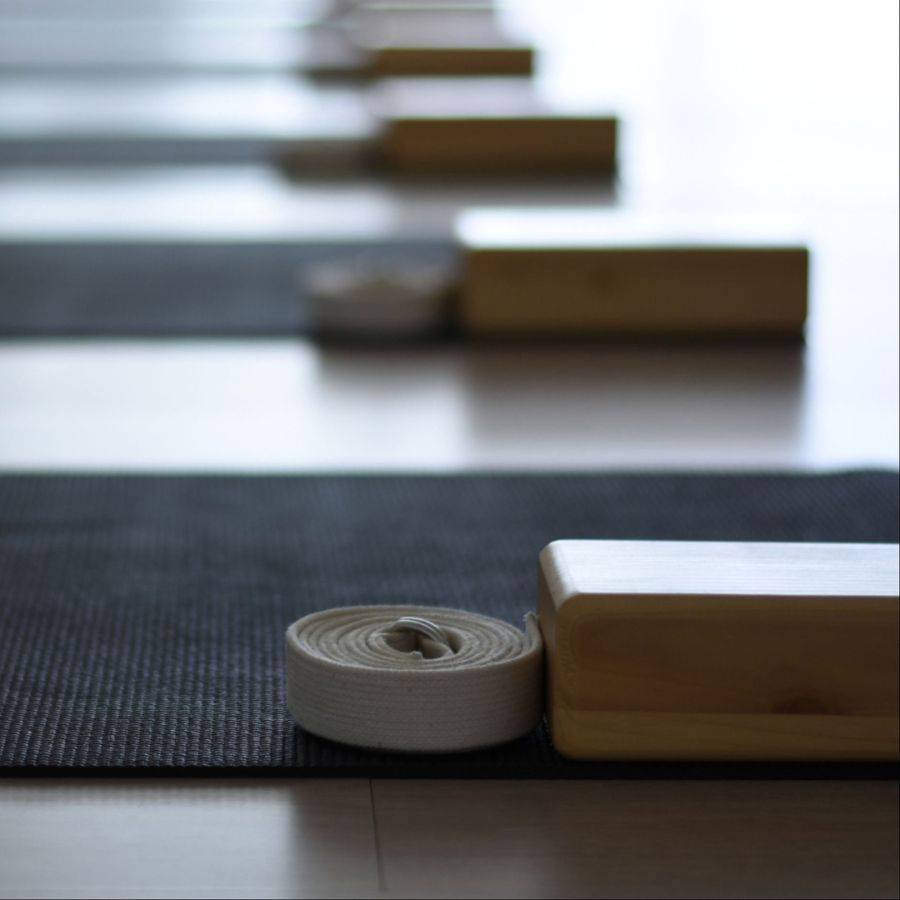
Favorite Props & Support Tools
Sometimes a simple prop changes how safely or comfortably you can practice.
Browse some of the blocks, straps, supports and ergonomic tools I use and recommend with clients.
A Useful Question to Keep Asking
Don’t just ask: Where does it hurt?
Ask: What is this area compensating for?
Your hip may need mobility.
Your knee may be responding to what’s happening above it.
Your foot may be responding to the leg.
And if you’re already very flexible, your body may be asking for stability instead of another stretch.
The goal is not to loosen everything.
It’s to figure out what your body actually needs.

Still not sure?
If the pattern isn’t making sense, I can help you connect the dots.
Learn More From Your Own Patterns
Use the Health Tracker to notice how your symptoms change alongside exercise, walking, sitting, shoes, recovery and daily habits.
You’re not trying to track forever.
You’re looking for clues.
GET THE FREE HEALTH TRACKER