Why I Track My Blood Sugar (Even Without Diabetes)
May 01, 2026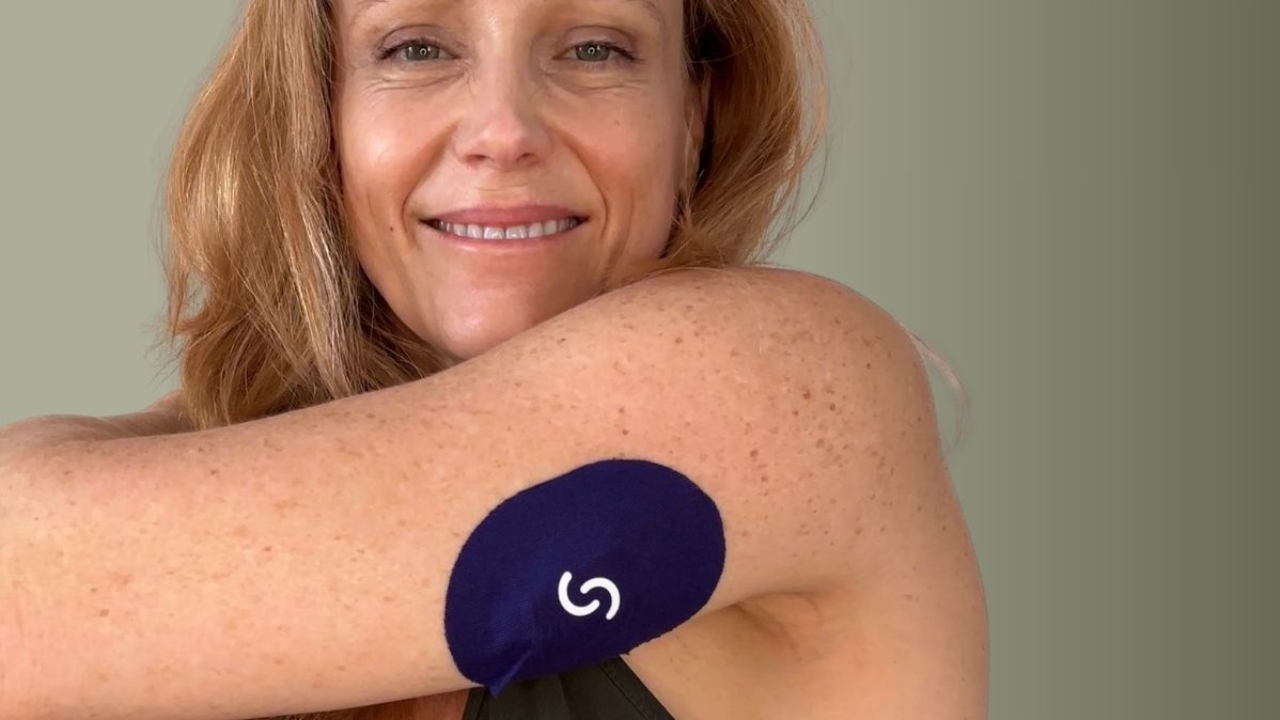
Most people don’t think about their blood sugar until something feels off.
Energy crashes in the afternoon. Brain fog after meals. Weight that won’t budge, no matter how dialed in your habits are.
And if you’ve had labs done, you were probably told everything looks “normal.”
But here’s what most people don’t realize: you can have “normal” blood sugar and still be dealing with blood sugar spikes all day long.
And those spikes matter.
Because they’re not just numbers on a screen. They’re driving what you feel in real time and what’s happening in your body long term.
What Is Blood Sugar, and Why Should You Care?
Your body runs on fuel, and much of that fuel comes from glucose, which is derived from the food you eat.
After a meal, glucose enters your bloodstream. Your body then works to move that glucose into your cells so it can be used for energy. When this system is working well, you feel steady, clear, and energized.
When it’s not, you feel the swings - energy crashes, cravings, irritability, poor focus. Over time, repeated spikes can lead to insulin resistance, where your body has to work harder to manage the same amount of sugar.
Over time, frequent spikes start to create deeper problems. They increase inflammation and oxidative stress, meaning your body is under constant internal strain. They also trigger something called glycation, where excess sugar binds to proteins and damages tissues, including your blood vessels.
This is where weight gain, constant hunger, and metabolic dysfunction begin.
And it doesn’t stop there.
High variability in blood sugar has been linked to reduced cognitive function, increased risk of cardiovascular disease, and long-term complications that affect the nerves, kidneys, eyes, and brain.
In short, frequent blood sugar spikes quietly set the stage for many of the chronic conditions people are trying to avoid.
Here’s where it gets even more important.
Most doctors don’t raise concern until you’re already in the prediabetic range. By then, your body has often been struggling with blood sugar regulation for years. And since most people are only tested once a year, a lot can change between visits without you realizing it.
How Do You Know If You Have Blood Sugar Issues?
You’ve likely already had a test called A1C as part of your annual bloodwork. A1C reflects your average blood sugar over the past two to three months. Generally, below 5.7% is considered normal, 5.7% to 6.4% is prediabetes, and 6.5% and above is diabetes.
But averages can be misleading.
You could be sitting at 5.5 or 5.6, told everything looks fine, and still experiencing frequent spikes throughout the day. If nothing changes, that “normal” number can quietly tip into prediabetes by your next annual visit.
Diabetes isn’t just about blood sugar. It’s associated with cardiovascular disease, nerve damage, kidney dysfunction, vision problems, and cognitive decline. It affects nearly every system in the body.
This isn’t about fear. It’s about catching the pattern early, when it’s still easy to shift.
Why Tracking Your Blood Sugar with a Continuous Glucose Monitor Changes Everything
Two people can eat the same meal and have completely different responses.
One stays steady. The other spikes and crashes.
Without data, you’d never know if following a certain diet is actually working for you.
The same is true with many of the blood sugar regulation “hacks". They don’t all affect people the same way, which is why I’m such a big fan of people wearing a CGM at least once in their life for 3 months.
Tracking with a CGM removes the guesswork. It shows you exactly how your body responds so you can make decisions based on reality, not assumptions. This is the foundation of personalized nutrition, which is increasingly supported in research.
What I Learned Wearing A Continuous Glucose Monitor (CGM)
I’ll be honest, I’m a bit of a geek when it comes to my health.
I want to understand what’s actually happening in my body, not just follow general advice.
So when continuous glucose monitors, or CGMs, became more accessible, I opted in early.
A CGM is a small wearable device that tracks your blood sugar in real time. Before this technology, you either needed a prescription or had to prick your finger multiple times a day for single readings that only give you snapshots in time.
But a CGM shows you patterns over time.
You can see how your body responds not just to food, but to sleep, stress, hydration, and daily life. If you want a deeper look at how CGMs work, the Cleveland Clinic has a clear overview.
There are several devices and apps available now. They’re all fairly comparable, and features change quickly, so the specific brand matters less than the insight you gain.
The first time I wore a CGM, I kept it on for three months.
That’s when I learned what actually works for my body - not in theory, but in real time. Below are some of my main takeaways. These turned into lifestyle changes that I’ve maintained, and because I wear a CGM about once a year for a couple weeks to check in, I know they are working for me. They might just work for you too!
Walking After Meals Helps Stabilize Blood Sugar
Walking after meals was one of the most effective changes I made.
Even a short walk helps your muscles absorb glucose from your bloodstream and use it for energy. This lowers the amount of circulating glucose and reduces spikes. It’s one of the fastest ways to influence your numbers in real time.
The caveat here is that there’s a fairly narrow window between eating and walking to get the best benefits. I found the best scenario is to get up and stroll within 5-10 minutes of eating to blunt a spike. This isn't always polite or realistic, so I’ve learned to be happy in the knowledge that ANY walking as soon after a meal is possible is still better than no post-meal stroll.
Research shows that even light walking after meals improves glucose control.
Protein and Fiber Help Prevent Blood Sugar Spikes
When I ate carbohydrates on their own, my blood sugar spiked more.
When I paired them with protein and/or fiber, things stayed far more stable.
Protein and fiber slow digestion, which means glucose enters your bloodstream more gradually instead of all at once. This gives your body time to respond effectively.
For example, if I ate a banana on its own I would get a considerable spike. But if I sliced it and drizzled some nut butter over it….nothing. No spike, not even a blip.
This article breaks it down in a practical way.
Eating Order Can Reduce Glucose Spikes
The order you eat your food matters more than most people realize. (Here’s a study that demonstrates this effect.)
Eating protein and vegetables before carbohydrates can significantly reduce glucose spikes. This approach slows gastric emptying and prepares your body to handle the incoming carbohydrates more efficiently.
I get that you’re likely not going to eat like a kid and have your foods separated all the time, but if you did you would eat your protein first, then your veggies, then your rice. And you’d likely spike less than if you reversed that order.
But what if you fished out some of the protein in your stir fry or pasta dish to eat first?......and speaking of stir fries and pasta - the sad truth for me is that white rice and pasta are horrible ideas. The happy news is that now there are pastas that are higher in protein and fiber, which makes this special occasion only food more of a weekly option.
Cinnamon Can Help Lower Blood Sugar Spikes
Cinnamon made a small but consistent difference for me.
Certain compounds in cinnamon may improve insulin sensitivity, helping your body move glucose out of the bloodstream more effectively. Which is why adding cinnamon to foods like oatmeal and can help to blunt the spike response.
If you want to explore the research, this review is a good starting point.
Sleep Has a Direct Impact on Blood Sugar Levels
Sleep turned out to be one of the biggest levers.
When I slept less than seven hours, my blood sugar was harder to control the next day. Even with the same food and habits, the response was different.
Poor sleep increases stress hormones like cortisol, which can raise blood sugar and reduce your body’s ability to manage it.
This is why great sleep is so essential to weight loss and stress management.
This study explains the connection clearly.
Stress Can Raise Blood Sugar (Even Without Food)
This was one of the most surprising insights. I once got a spike alert while standing in Sephora, casually shopping. Another time, while listening to a friend share about a very hard time she was going through.
I felt calm. I thought I was calm…..but my monitor sent me alerts that I was having a glucose spike.
Why? Because stress hormones signal your body to release glucose into the bloodstream, preparing you for action. We evolved that way so we could run from the saber-tooth tiger. But these days, the saber-tooth tiger is the news feed in your cell phone, or in my case, choice-overwhelm in a beauty supply store.
This is why stress regulation is essential, not optional. And why a Continuous Glucose Monitor is an excellent tool for showing us when we’re having a stress response, even at unexpected times.
Hydration Affects Blood Sugar More Than You Think
Hydration had a clear impact.
If I didn’t drink enough water, my glucose readings were higher.
Part of this is simple: dehydration concentrates glucose in your bloodstream. It also affects kidney function and hormone balance, which play roles in glucose regulation.
In general, I find most of my clients are dehydrated when they come to me. I’ve seen glucose and elimination issues resolve quickly when we dial in correct hydration levels.
Why I Continue to Wear a CGM
Since my first three-month stint with a CGM, I’ve worn one for at least two weeks each year as a check-in. Our bodies change over time, especially our microbiomes, which also play a major role in metabolism.
Two years ago, I noticed my glucose control wasn’t as strong as it had been, even though I had maintained the “hacks” mentioned above. So I researched. Then I added a bilberry supplement and a probiotic blend designed to support metabolic health. The following year, my CGM showed significantly improved glucose stability.
If you know me at all, you know I’m next going to say that doesn’t mean those supplements are right for you.
The takeaway is this: learn where your body is, make thoughtful adjustments, and track again to see what actually changes.
This isn’t about perfection or restriction.
It’s about awareness.
A CGM gives you real-time feedback so you can see patterns, test changes, and learn what actually works for your body.
The Bottom Line
Blood sugar isn’t just a diabetes issue.
It’s an energy issue, a performance issue, and a longevity issue .
And most people are navigating it without understanding one of the most important systems in their body.
If you want real insight into your health, tracking your blood sugar is one of the most powerful tools available.
Not forever.
But long enough to learn something that can change how you take care of yourself for the rest of your life.
Author