Your blood pressure is worth paying attention to.
Your answers suggest that this is one area of your health worth looking at more closely.
High blood pressure often develops quietly, and one reading doesn’t tell the whole story. Start by knowing your numbers, looking for patterns over time, and exploring the factors you can influence.
Work With CTwainStart with the resources below ↓
You don’t need to change everything at once.
Start with what feels most relevant to you now. Learn, experiment, observe what changes, and work with your healthcare provider when medical care or medication is needed.
Hypertension Is Often Multifactorial
Blood pressure is influenced by more than just diet or exercise.
Rather than looking for one magic fix, it can be useful to look across several areas of your health.

Nervous Sytem Regulation
Your cardiovascular system responds to what is happening around you and inside you.
Chronic stress and spending too much time in a state of high alert can influence heart rate, vascular tone and blood pressure. Learning how to help your system shift toward recovery is one piece of the larger picture.

Rest and Recovery
Sleep and recovery matter.
Poor sleep can affect cardiovascular health, and conditions such as sleep apnea deserve appropriate medical investigation.
Rest also means giving your body genuine opportunities to stop doing, bracing and compensating.

Nutrition and Metabolism
What you eat matters, but there is rarely one perfect “blood pressure diet.”
Food quality, sodium, alcohol, metabolic health, weight when relevant, and your individual response all belong in the conversation.

Breathing and Movement
Regular movement supports cardiovascular health.
How you breathe also influences your nervous system, heart rate and the way your body responds to stress. Sometimes the simplest practices are surprisingly powerful.
A Simple Practice You Can Try Today
Legs Up the Wall
I’ve taught this sequence more than almost any other in twenty years of practice, including to many students with high blood pressure.
I became particularly interested after repeatedly seeing blood pressure drop in myself and in students following the practice.
Important: Legs Up the Wall is contraindicated if your blood pressure is extremely elevated. If you have severely uncontrolled hypertension or aren’t sure whether this position is appropriate for you, speak with your healthcare provider first.
I strongly recommend reading the full Legs Up the Wall post before beginning the sequence. You’ll find the science behind why it works, alignment guidance, variations and props, important cautions, and suggestions for tracking how your own body responds.
READ LEGS UP THE WALL: A MOST HEALING SEQUENCEExplore More Support Resources
Blood pressure doesn’t exist in isolation.
Sleep, rest and recovery, breathing, movement, stress and nervous-system regulation can all influence the larger picture. These resources will help you understand some of those connections and give you practical ways to begin exploring them.

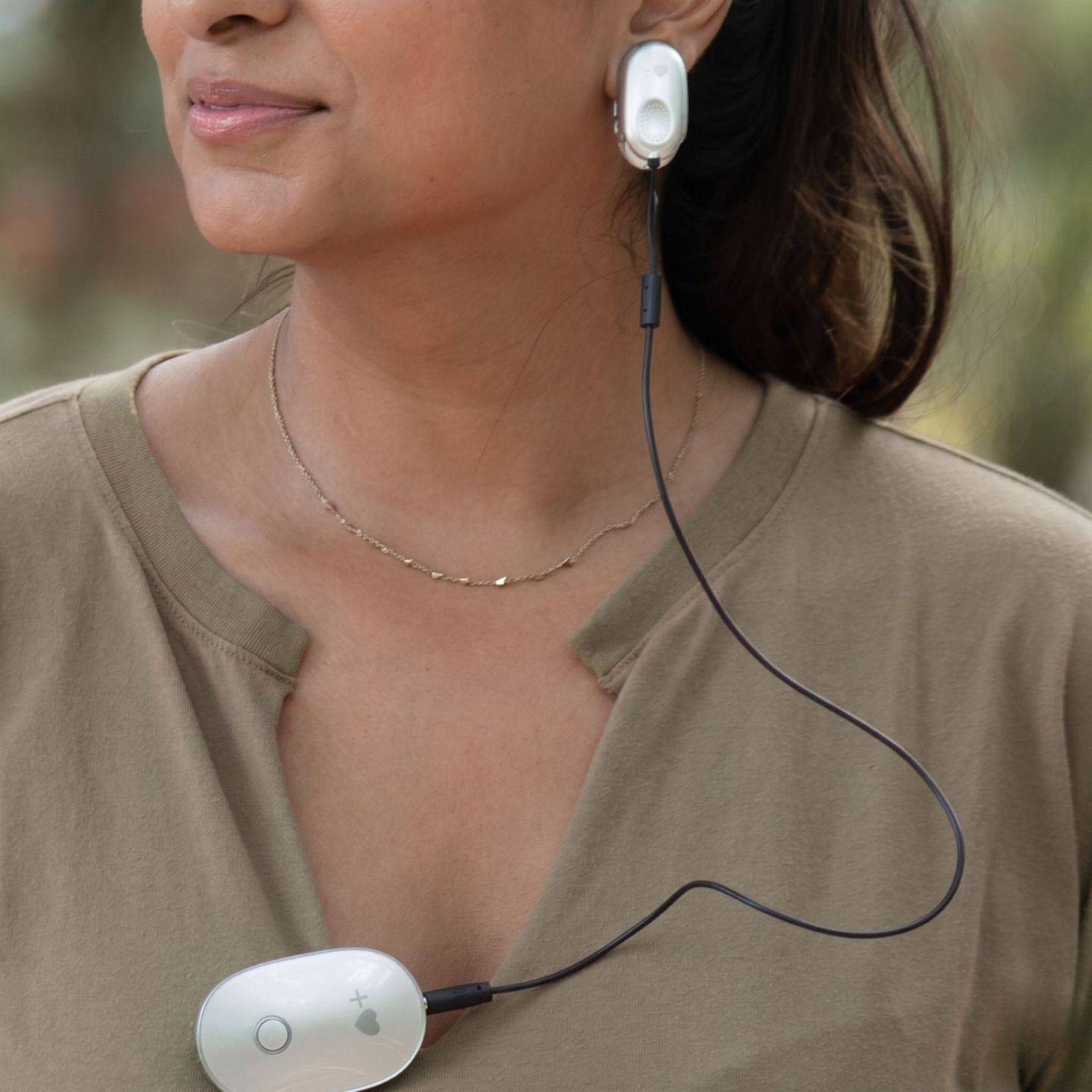




Helpful Tools to Support Your Body
Sometimes the right tool makes it easier to notice patterns, practice consistently and understand how your body responds.
These are tools I use personally and regularly recommend in my work.
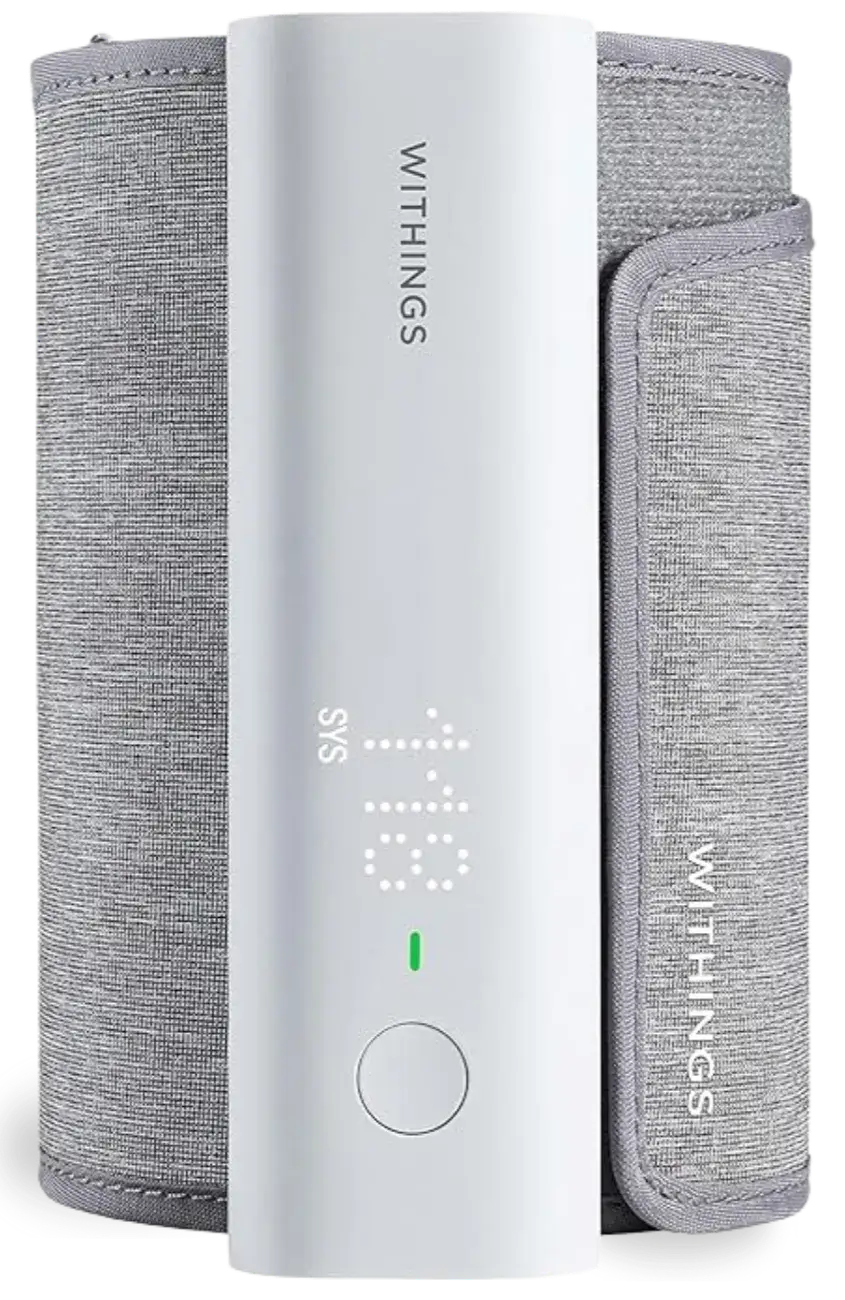
Withings Blood Pressure Monitor
If you’re working on blood pressure, accurate home measurements can help you move beyond isolated readings and start seeing patterns over time.
A home blood pressure monitor can also give you useful information to bring into conversations with your healthcare provider.
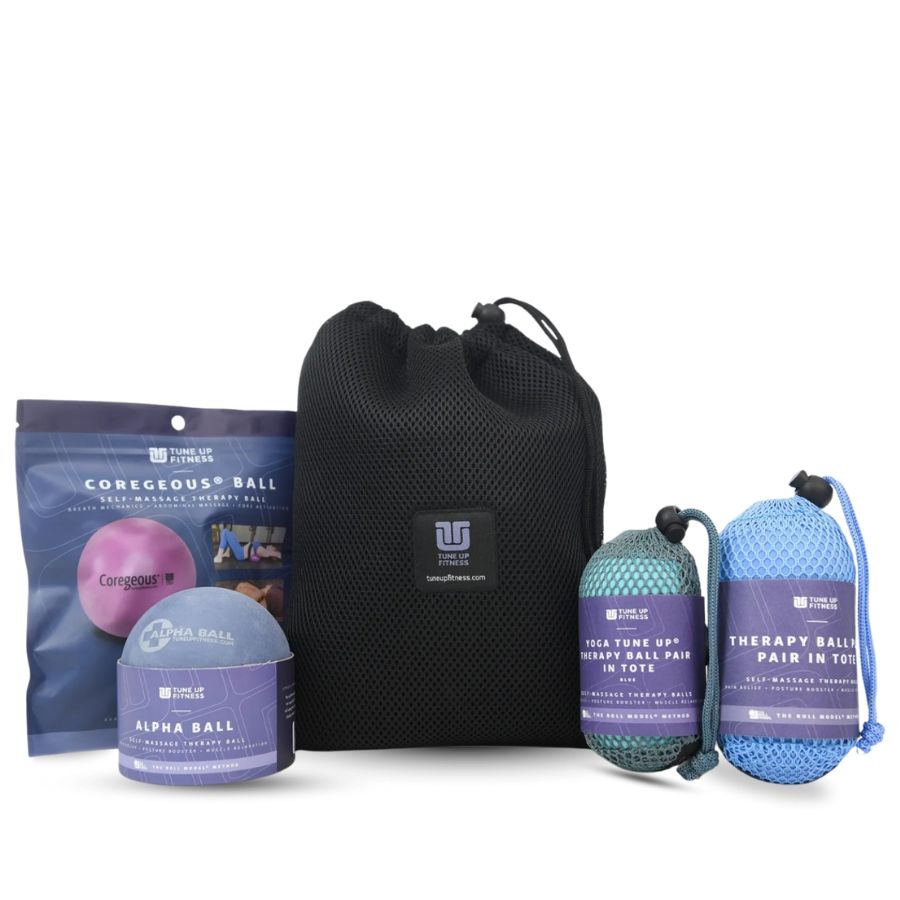
Roll Model® Starter Kit
Self-myofascial release can help reduce areas of muscular tension, improve body awareness and make movement and breathing practices more comfortable.
The Roll Model® Starter Kit includes four sizes of therapy balls so you can work with different areas of your body safely and comfortably.
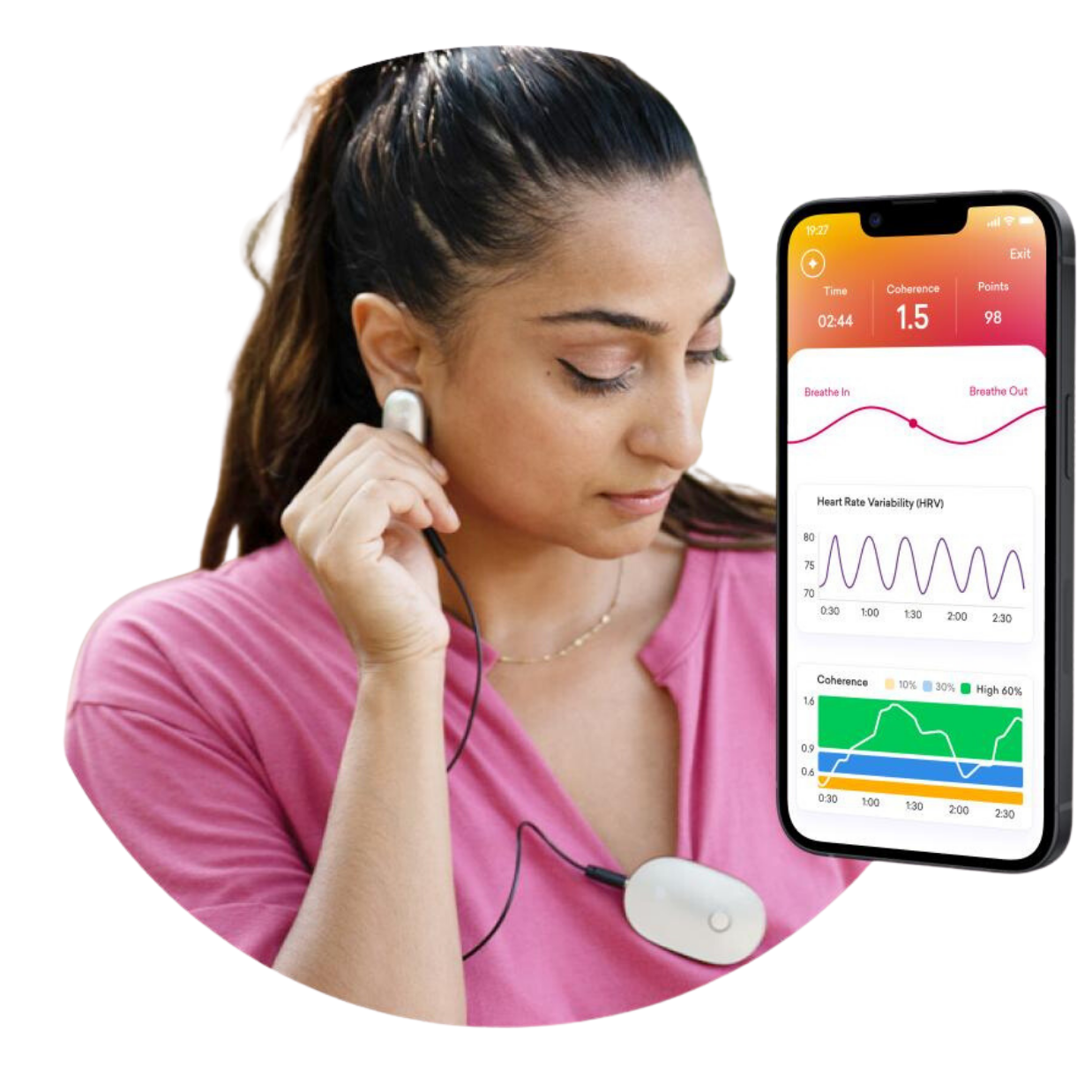
HeartMath®
Stress is not the only reason someone develops high blood pressure. But nervous-system regulation is one piece of cardiovascular health that you can learn to work with.
HeartMath® gives you real-time biofeedback while you practice techniques designed to support physiological coherence and nervous-system regulation.
Instead of simply guessing whether you are relaxed, you get information about how your body is responding.
USE THIS LINK FOR 10% OFF
Want to Go Deeper?
I keep a growing collection of books, podcasts, health technology, testing tools, experts and other resources I use myself or recommend to clients.
If cardiovascular health, stress regulation or healthy aging are areas you want to understand better, there is much more to explore.
EXPLORE MY RESOURCESStories From Others on This Journey
Health changes rarely come from one isolated intervention.
Often the useful work is figuring out which pieces matter most for you, then building changes you can actually sustain.
Small Steps Add Up
Supporting healthy blood pressure rarely comes down to one dramatic change.
Often it is a combination of things: understanding your numbers, moving regularly, sleeping better, changing how you eat, learning how your body responds to stress, following appropriate medical care, and finding practices you can realistically continue.
You don’t need to tackle all of them today.
Start somewhere useful. Then pay attention to what changes.
START WITH ONE SMALL STEP.

Get in touch
If you’d like to talk through what you’re noticing and whether I might be helpful, you’re welcome to book a call.
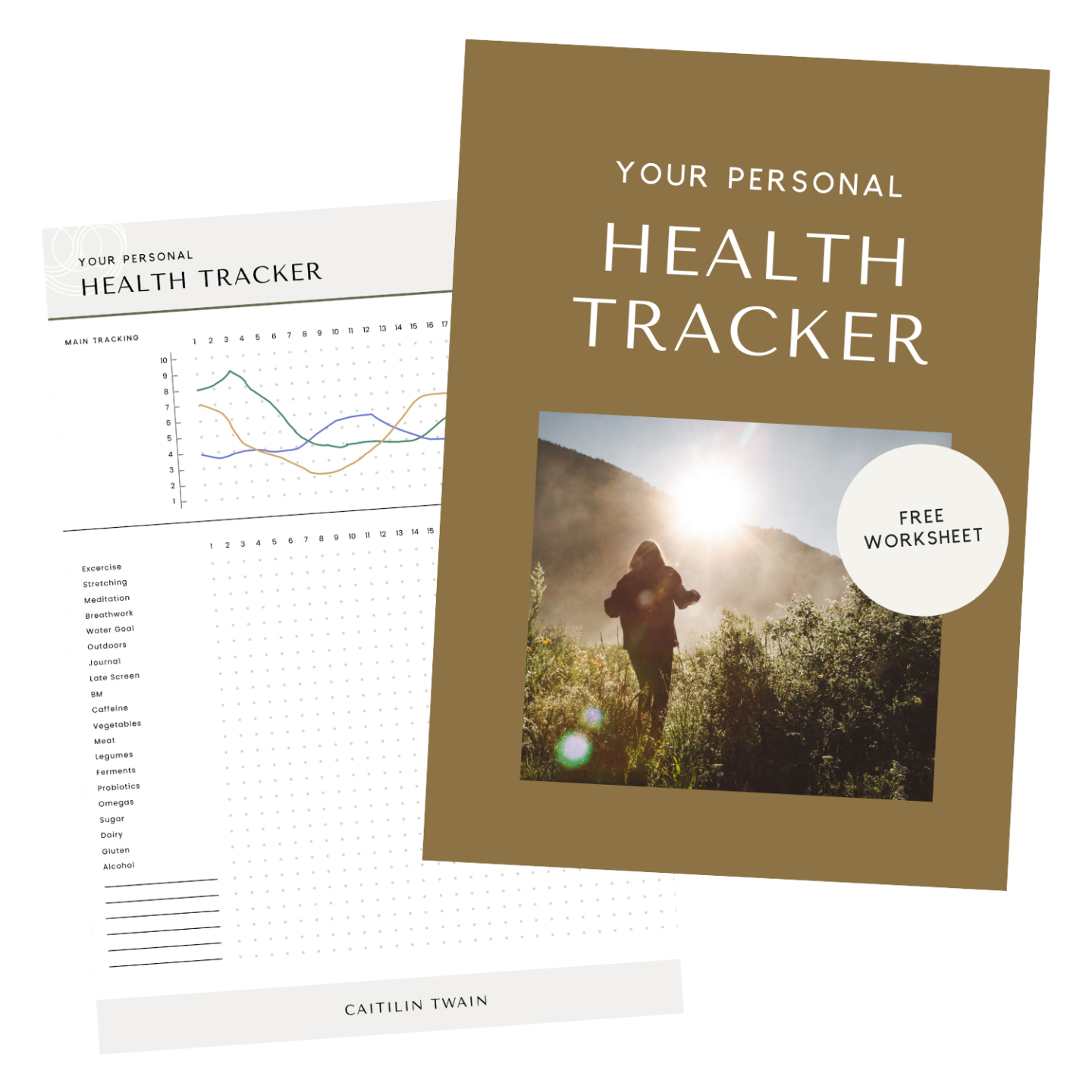
Learn about yourself with this powerful free tool
Your memory is not a data set.
Tracking can help you see whether your blood pressure changes alongside sleep, stress, movement, food, medication, travel, alcohol or other parts of your life.
That doesn’t mean obsessing over every number.
It means giving yourself enough information to recognize patterns and have better conversations with the people helping you manage your health.
GET THE FREE HEALTH TRACKER