Your mood doesn’t happen in isolation.
If anxiety, overwhelm or low mood has been weighing on you, this is an area worth looking at more closely.
How you feel can be influenced by many things, including your nervous system, sleep and rest, breathing patterns, gut health, movement, relationships, medications and what is happening in your life.
You don’t need to figure it all out today.
Start by noticing.
Work With Caitilin
What Your Quiz Results May Be Showing
Your responses suggest that your mood, energy or stress response may deserve more attention.
This can show up as:
Difficulty Shifting Gears
You may know you need rest or calm, but find that your body or mind has trouble getting there.
Racing or Looping Thoughts
Your mind may feel constantly active, worried or difficult to quiet.
Emotional or Physical Exhaustion
You may feel depleted, flat or tired even when you’re getting enough sleep.
These aren’t explanations or diagnoses. They’re clues.
The useful question is often not simply “How do I make this feeling stop?”
It’s “What might be contributing to the way I feel?”
Your Gut and Brain Are in Constant Conversation
Your brain isn’t operating separately from the rest of your body.
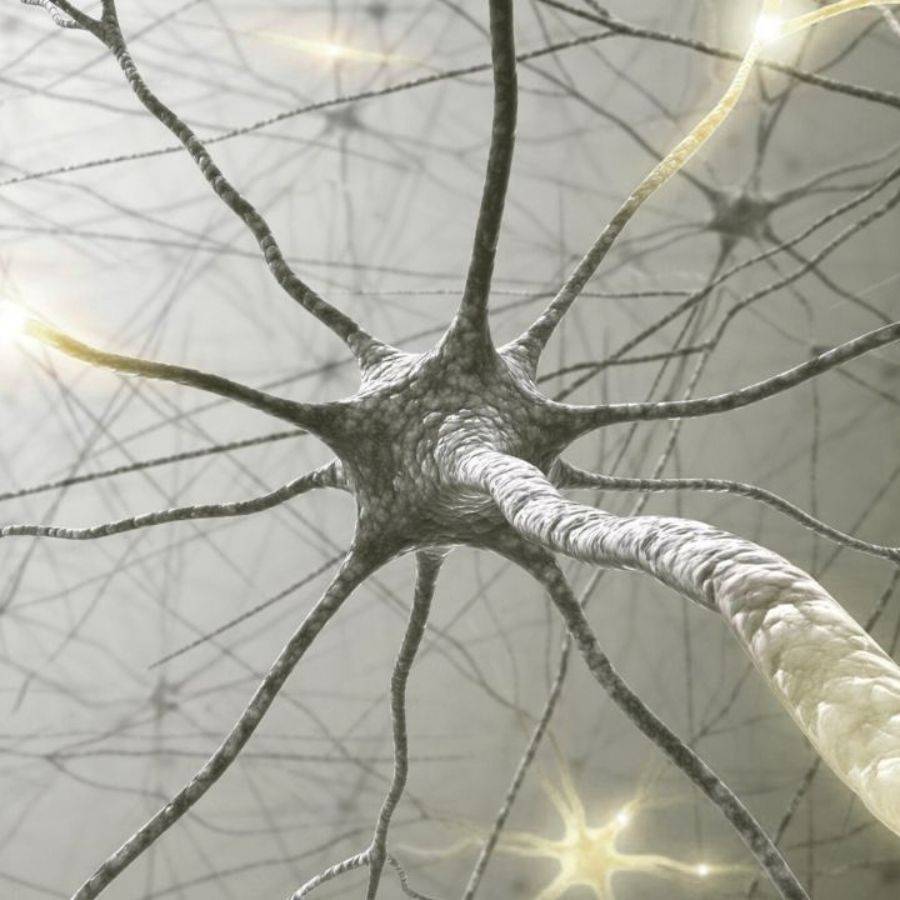
A growing body of research connects the gut microbiome with mood, stress and mental health through the gut-brain axis, a two-way communication system involving the nervous system, immune system, hormones and compounds produced by the microbes living in your gut.
Research has found differences in the gut microbiomes of people with depression and anxiety, although we’re still learning exactly what those differences mean and how much they contribute from one person to another.
That doesn’t mean anxiety or depression is simply a “gut problem.”
It does mean that if you’re trying to understand what may be influencing how you feel, your gut health deserves a place in the conversation.

Gut Health Reset
Mini-COurse
Antibiotics, illness, stress, diet and other factors can disrupt the ecosystem of microbes living in your gut.
Gut Health Reset will help you understand that ecosystem, what can disrupt it, and practical ways to nourish and support it, particularly during and after a course of antibiotics.
A Simple Reset You Can Try Right Now
Breathe Into Gratitude
This isn’t about telling yourself to “think positive.”
This practice combines breathwork with genuine, felt appreciation, giving you a way to explore how breath, attention and emotional state can influence one another.
If slowing or holding your breath makes you feel more anxious or uncomfortable, don’t force it.
Breathe normally and read the full post for modifications, cautions and the science behind the practice.
MORE RESET EXERCISES
Explore More Support Resources



The Real Work Begins in the Privacy of Your Own Heart: A Case for Self-Compassion Before Self-Improvement

Helpful Tools to Support Your Body
Sometimes a tool can make it easier to practice consistently, notice patterns or understand what is happening in your body.
These are tools I use personally and regularly recommend in my work.

HeartMath®
You can’t always tell from the inside whether your body has actually shifted out of a stress response.
HeartMath® uses real-time biofeedback while you practice breathing and emotional-regulation techniques, so you can begin to see how your physiology responds rather than simply guessing whether you’re relaxed.
USE THIS LINK FOR 10% OFF

Health Tracker
Mood rarely exists separately from the rest of your life.
Tracking sleep, stress, digestion, movement, food, medications, supplements, energy and mood can help you notice patterns that are difficult to see from memory alone.
You don’t need to track forever. Sometimes a short period is enough to begin asking better questions.

Roll Model® Starter Kit
Stress and emotional strain often show up physically too.
Self-myofascial release gives you another way to notice where you’re holding tension, spend time in your body and support more comfortable movement and breathing.
The Roll Model® Starter Kit includes four sizes of therapy balls so you can work with different areas of the body.
Want to Go Deeper?
I keep a growing collection of books, podcasts, testing tools, experts and other resources I use myself or recommend to clients.
EXPLORE MY RESOURCESStories From Others on This Journey
Sometimes change begins not with forcing yourself to feel differently, but with understanding your patterns more clearly and finding an entry point that feels manageable.
You Don’t Have to Rush This Process
If you don’t know where to begin, begin by noticing.
What helps you feel more like yourself?
What drains you?
When do you feel most settled in your body?
What changes when you sleep well, move, spend time with people you love, get outside, change what you eat, or give yourself genuine rest?
You don’t need to fix everything at once.
You’re learning your own patterns, and that can be a very useful place to start.
A note about mental-health care: These resources can complement appropriate care, but they aren’t a substitute for it. Persistent or worsening depression, severe anxiety, or symptoms that are interfering significantly with daily life deserve support from a qualified mental-health or medical professional.